Baby Romper Size Guide: NB, 0–3M, 6M, 12M, 18M
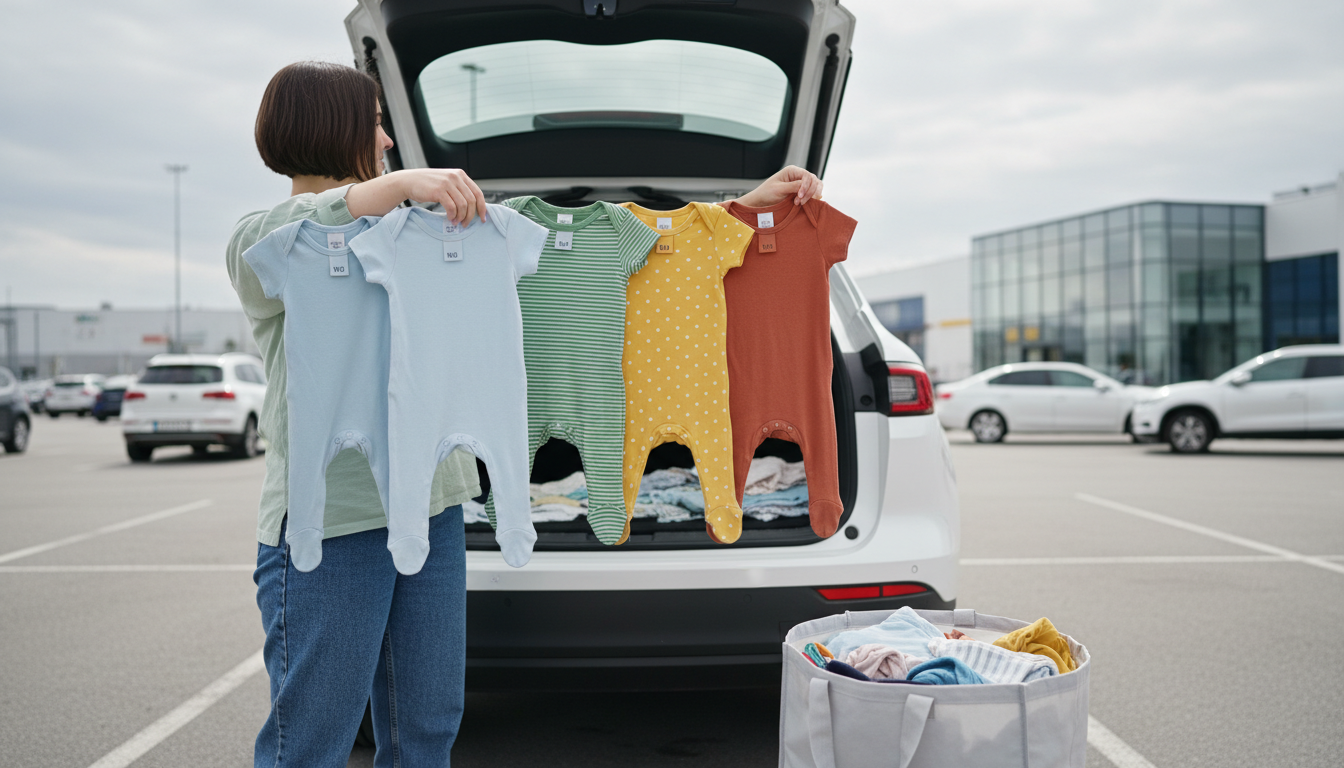
What size baby romper should I buy for a newborn vs a 3, 6, 12, or 18 month baby?
Baby romper sizing is usually based on age ranges, but the best fit depends on your baby’s current weight, length, and how you want the romper to wear (snug vs roomy). As a quick guide: newborn (NB) is for the smallest babies, 0–3M covers most newborns who outgrow NB fast, then 3–6M, 6–9M, 12M, and 18M step up as your baby grows. When you’re between sizes, sizing up is often the safer choice for comfort and longer wear—especially if you plan to layer underneath.
Newborn (NB) romper size
Choose NB if your baby is expected to be on the smaller side and you want a true newborn fit (often best for the first days to few weeks). Many babies outgrow NB quickly, so if you’re unsure or your baby is measuring average or above, consider 0–3M instead for a little extra length and room in the diaper area.
3-month (0–3M) romper size
0–3M is a flexible “starter” size that fits many babies from the early newborn stage through the first months. It’s a solid pick if you’re shopping before birth and want to avoid something that may be too small right away.
6-month (3–6M or 6M) romper size
For a 6-month baby, check whether the brand uses 3–6M or a straight “6M” label. If your baby is long-torsoed or wearing a bulkier diaper, sizing up can prevent tightness at the snaps and shoulders.
12-month romper size
At 12 months, babies vary widely in height and build. Prioritize torso length and leg opening comfort. If the romper is woven or has minimal stretch, a size up can help with mobility and make changes easier.
18-month romper size
18M is typically roomier than 12M and meant for active toddlers. Look for easy-on necklines, sturdy snaps, and enough rise for diapers or training pants.
For brand charts, fit notes, and measuring tips
For a deeper size breakdown (including how to measure and when to size up), visit the full guide: https://palisare.com/blog/what-size-baby-romper-should-i-buy-for-a-newborn-vs-a-or-month-baby/.
FAQ
Should I size up in a baby romper?
Size up if your baby is near the top of the size range, long for their age, or if you want longer wear and easier layering. If the romper is very stretchy and meant to fit close to the body, staying true to size may look and feel better.













Leave a comment