Armani Exchange Blue Cotton Blazer: Fit, Style, Care

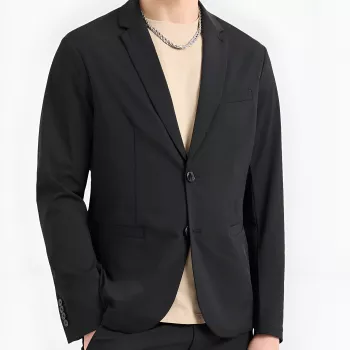
Armani Exchange Men’s Blue Cotton Blazer: A Smart-Casual Layer for Workdays and Weekends
A cotton blazer is one of the simplest ways to look pulled-together without feeling like you’re wearing a full suit. The Armani Exchange Men’s Blue Cotton Blazer is made for warm-weather commutes, dinners, and casual offices—structured enough to sharpen an outfit, breathable enough to keep it comfortable.
What Makes a Cotton Blazer Different
Cotton blazers sit in a sweet spot between relaxed and refined, which is why they work so well for modern dress codes.
- Balanced structure: sharper than a cardigan or overshirt, but softer and more easygoing than many wool suit jackets.
- Season-friendly comfort: cotton typically feels lighter and more breathable from spring through early fall.
- Everyday versatility: pairs naturally with denim, chinos, and clean sneakers or loafers.
- Texture and drape: cotton can show a subtle texture that reads casual—especially in daylight and outdoor settings.
Quick Product Snapshot
If you’re choosing a blazer to cover a lot of real-life situations (office, dinner, travel), this summary helps set expectations quickly.
- Product: Armani Exchange Men’s Blue Cotton Blazer.
- Color family: blue (easy to dress up or down).
- Material focus: cotton for a breathable, easygoing feel.
- Current availability: in stock.
- Best use cases: business-casual office, dinners, travel, and events where a full suit feels too formal.
At-a-Glance Details
| Detail | What to Know |
|---|---|
| Item | Armani Exchange Men’s Blue Cotton Blazer |
| Price | $151.51 (USD) |
| Availability | In stock |
| Material | Cotton (blazer style) |
| Color | Blue |
| Product page | View Armani Exchange Men’s Blue Cotton Blazer |
Fit and Silhouette: Getting the Proportions Right
The fastest way for a blazer to look “off” is poor proportion—especially at the shoulders and chest. A few checkpoints make a big difference.
- Shoulders first: a clean shoulder line is the foundation. Avoid pulling, collapsing, or divots near the shoulder seam.
- Jacket length: many cotton blazers run a touch shorter for a modern look. Aim for coverage that stays balanced with jeans and chinos.
- Button stance and lapels: when closed, the front should lie smooth without tension across the chest or midsection.
- Sleeve length: cuffs should land near the wrist bone. A small shirt-cuff reveal looks intentional when dressing up.
- Room to move: cotton has less natural “give” than knit layers, so test comfort with arms forward and while seated.
How to Style a Blue Cotton Blazer (City-Ready Combos)
Blue is one of the most wearable blazer colors because it can look crisp with whites and greys, grounded with sand and olive, and sleek with dark denim. The key is keeping the rest of the outfit clean and low-bulk so the blazer stays the focal point.
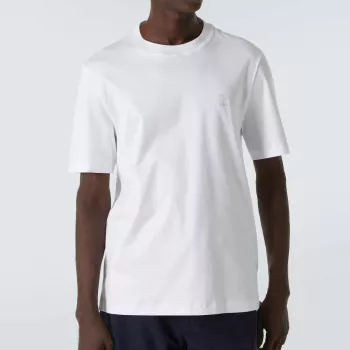
- Smart-casual uniform: white or light-blue tee, slim chinos, and minimal sneakers for a clean off-duty look. For an elevated base layer, pair it with the Brunello Cucinelli Cotton T-Shirt.
- Business-casual: button-down shirt, tailored trousers, and loafers. Keep the palette tonal (navy/grey/white) for an effortless upgrade.
- Evening upgrade: black tee or fine-gauge knit, dark denim, and leather boots. Keep accessories understated and let the blazer do the work.
- Warm-weather layering: lightweight polo or linen-blend shirt underneath. Skip bulky hoodies that fight the blazer’s structure and create bunching at the sleeves.
- Color pairing: blue plays well with white, grey, sand, olive, and dark indigo for a grounded, modern palette.
Occasions Where This Blazer Fits In
A cotton blazer is made for moments where you want polish without formality—especially when temperatures rise or the setting is relaxed.
- Casual office days: when a suit feels excessive but a jacket still signals intention.
- Travel and conferences: a structured layer that can be dressed down quickly with a tee and sneakers.
- Dinners, rooftop events, and date nights: looks considered without reading “black-tie.”
- Daytime weddings or summer parties: depending on dress code, pair with crisp trousers and a refined shirt for a clean, celebratory look.
Care and Longevity Tips for Cotton Blazers
Cotton is generally approachable, but blazers are structured garments—meaning care is as much about maintaining shape as it is about cleaning fabric.
- Start with the care label: follow the garment’s instructions to protect the shape and construction. The FTC’s Care Labeling Rule explains why those directions matter.
- Spot-clean first: treat small marks early to reduce full cleans and extend the blazer’s life.
- Steam instead of iron when possible: steaming relaxes wrinkles while helping avoid shine and flattening at seams.
- Use a structured hanger: it supports the shoulders and helps the blazer keep its line between wears.
- Rotate wears: giving cotton time to recover helps reduce creasing and stress at elbows.
For general fabric guidance, Cotton Incorporated’s Cotton Care Basics is a helpful reference point.
What to Look For Before Buying
A blazer should earn its space by working with what you already own. A quick pre-check keeps it from becoming a “closet orphan.”
FAQ
Can a cotton blazer be worn year-round?
It’s best in spring, summer, and early fall because cotton is breathable but less insulating than wool. In colder months, it can still work with knitwear underneath, but you’ll usually want a warmer outer layer on top.
How should a blazer fit across the shoulders and chest?
The shoulders should lie flat without bumps or divots, and the chest should close without pulling or strain lines. You should be able to move your arms comfortably; if the shoulders fit well, tailoring can often refine the waist or sleeves.
What pants go best with a blue cotton blazer?
Chinos in tan, stone, or olive look naturally smart-casual, while grey trousers sharpen the outfit for work. Dark indigo jeans dress it down cleanly, especially with minimalist sneakers or loafers.












Leave a comment