V520 OBD2 Scanner: Cloud Reports & Live Data
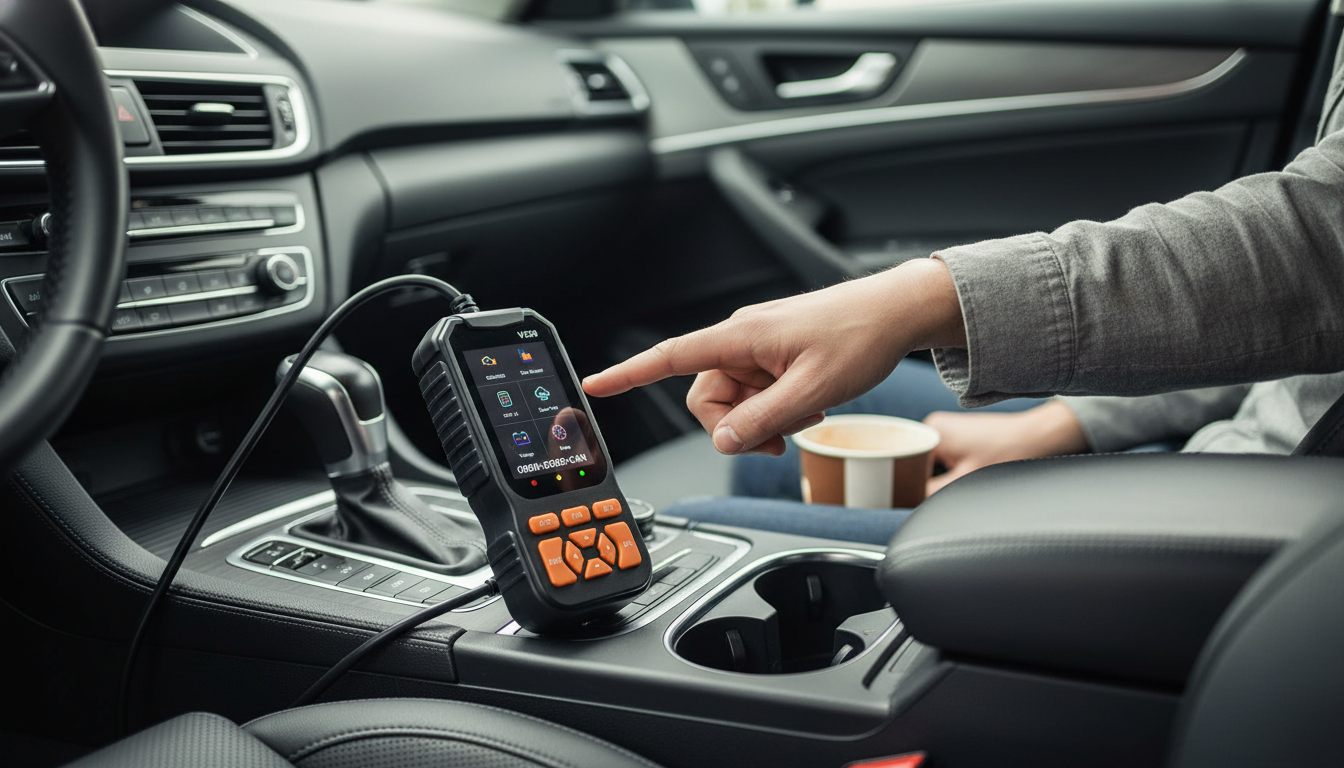
V520 OBD2 Diagnostic Scanner: Cloud Printing and Live Data Streaming for Faster Troubleshooting
The V520 OBD2 diagnostic scanner is built for quick check-engine light triage and deeper driveability troubleshooting. It reads common OBD2 information, streams live sensor data to help pinpoint issues in real time, and supports cloud printing so reports can be saved or shared without extra steps. For drivers who want a clearer picture before scheduling service—or DIYers verifying a repair—this blend of live data and shareable reporting can reduce guesswork and speed up next steps.
What the V520 Helps Diagnose Day to Day
Most check-engine light situations start with the same questions: What code set the light, what conditions triggered it, and did the fix actually change what the computer is seeing? The V520 focuses on the core OBD2 functions that answer those questions quickly.
- Check-engine light support: read trouble codes, clear codes after repairs, and verify whether a fault returns.
- Live data streaming: observe sensors while idling, revving, or during a short road test (useful for intermittent faults).
- Readiness status checks: confirm monitors have completed before emissions testing.
- Basic vehicle information access (varies by vehicle): VIN, ECU details, and supported parameters.
Cloud Printing: When a Simple Report Saves Time
Cloud printing is most valuable when you need continuity—between different drivers, between your driveway and a repair shop, or between “before” and “after” a parts replacement. Instead of relying on memory or a quick photo of the screen, a printed or saved report creates a consistent record of what the ECU reported at that moment.
- Create a shareable record of codes and key data points for a mechanic, fleet log, or warranty conversation.
- Keep a history of recurring faults (the same code returning after clearing can indicate an underlying cause).
- Use before-and-after reports to confirm a repair actually changed what the ECU sees.
- Helpful for multiple drivers: attach a printed report to a maintenance request so symptoms are not lost in translation.
Example diagnostic report checklist
| Item to record | Why it matters |
|---|---|
| Stored and pending codes | Distinguishes confirmed faults from early detections |
| Freeze frame data | Captures conditions when the fault was set (load, temp, RPM, etc.) |
| Readiness monitors | Shows if the vehicle is prepared for emissions testing |
| Key live data snapshots | Supports diagnosis of fuel trim, misfire patterns, or sensor behavior |
| Date/mileage | Creates a timeline for recurring problems |
Live Data Streaming: What to Watch and How to Use It
Live data turns an OBD2 scan from “what code is stored?” into “what is the engine doing right now?” When a problem is intermittent, data during the exact moment of hesitation, rough idle, or poor fuel economy can be more revealing than the code description alone.
- Fuel trims (STFT/LTFT): large positive trims can point to vacuum leaks or fuel delivery issues; large negative trims can suggest rich conditions.
- O2/AF sensor activity: sluggish switching or stuck readings can indicate sensor issues or exhaust leaks.
- Engine coolant temperature: abnormal warm-up behavior may point to thermostat or sensor problems.
- MAP/MAF readings: inconsistent airflow/load signals can cause hesitation and poor mileage.
- Misfire counters (if supported): helps isolate a cylinder-specific issue versus a system-wide problem.
- Tip: compare live data at idle vs. steady cruise vs. light acceleration to see where the behavior changes.
For a quick sanity check, focus on trends rather than single numbers: coolant temperature should rise smoothly as the engine warms; fuel trims should be relatively stable at steady cruise; and sensor behavior should make sense for the operating condition. OBD2 test modes and parameters are standardized in large part through SAE guidance (see SAE J1979 overview), but not every vehicle reports every parameter the same way.
Compatibility and What to Check Before Plugging In
OBD2 is broadly standardized, which is why a single scanner can work across many makes. In the U.S., most gasoline vehicles 1996 and newer are OBD2 compliant, and many diesels are supported (coverage can vary by model and market). The EPA provides a helpful overview of how OBD supports emissions monitoring (U.S. EPA: On-Board Diagnostics).
Quick Start Workflow for a Check-Engine Light
When the V520 Is a Great Fit (and When It Isn’t)
Product Snapshot: V520 OBD2 Car Diagnostic Scanner
If you want a practical scanner for everyday check-engine light troubleshooting, live sensor viewing, and easy record keeping, the V520 OBD2 Car Diagnostic Scanner with Cloud Printing & Live Data Streaming is designed for that workflow. It’s especially useful when you need to document codes and track whether a fix actually changed sensor behavior instead of simply turning the light off.
At-a-glance details
| Detail | Value |
|---|---|
| Product | V520 OBD2 Car Diagnostic Scanner with Cloud Printing & Live Data Streaming |
| Price | 35.82 USD |
| Availability | In stock |
Other In-Stock Picks
- Brunello Cucinelli Cotton T-Shirt
- Cozy Striped Baby Romper Jumpsuit for Newborns & Infants 0-18 Months
- Toddler Baby Goose Embroidered Knit Sweater – Cozy Fall & Winter Pullover
FAQ
Will it work on any car with an OBD2 port?
It will work on most 1996+ gasoline vehicles sold in the U.S., and many diesel vehicles, but coverage can vary by model and market. The exact live data parameters available (PIDs) depend on what the vehicle’s ECU supports, and advanced systems like ABS/SRS are typically outside basic OBD2.
Can a scanner clear a check-engine light permanently?
Clearing codes turns off the light, but it won’t be permanent if the underlying fault is still present. Use live data and readiness monitor status after repairs to confirm the issue is actually resolved.
What is cloud printing used for?
Cloud printing helps save and share diagnostic reports so the original codes, freeze frame details, and readiness status don’t get lost. It’s useful for maintenance history, fleet documentation, or giving a shop a clear starting point.
















Leave a comment