Cordless 3L Stainless Pet Fountain: Quiet, Battery Powered
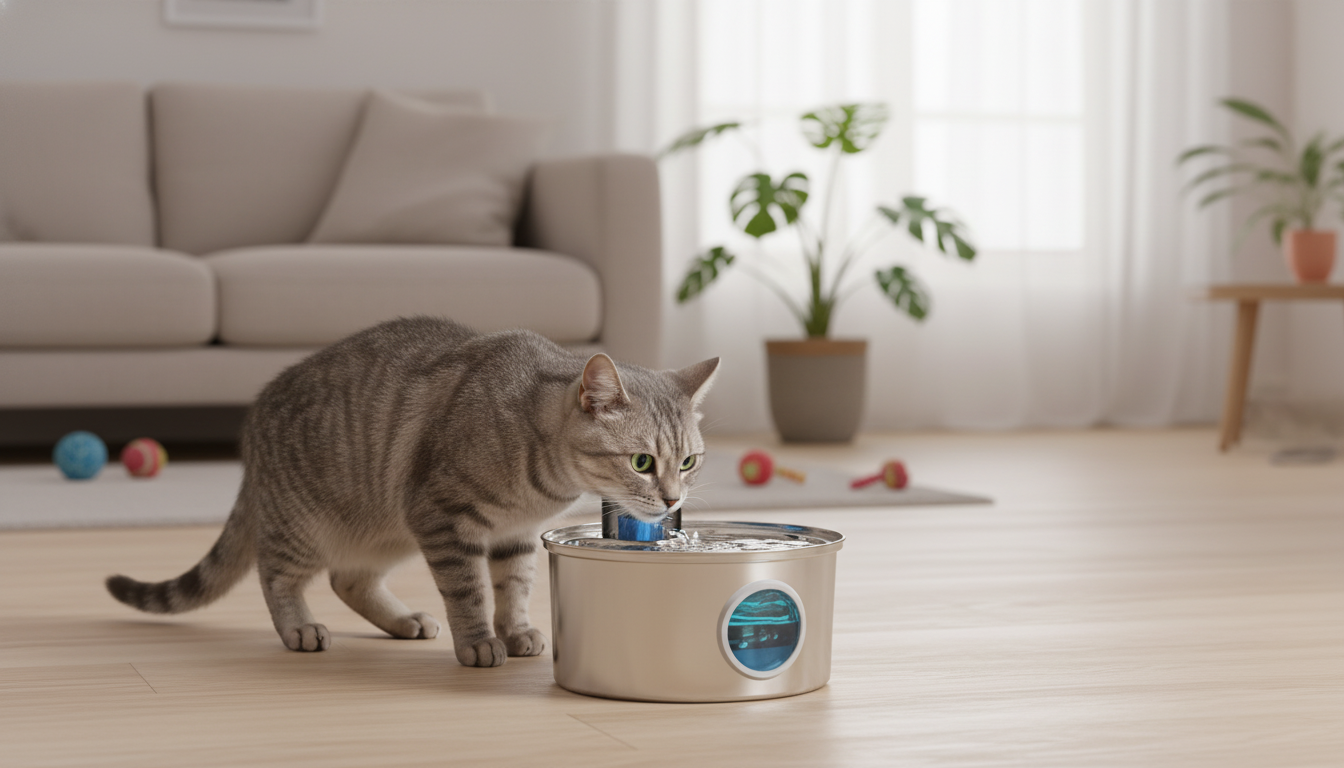
3L Wireless Stainless Steel Pet Water Fountain – Battery Powered & Ultra Quiet
A cordless stainless steel fountain can keep cats and small dogs drinking more comfortably—without a wall plug, dangling cable, or loud motor noise. This guide covers how a battery-powered, ultra-quiet 3L fountain fits into daily routines, what to look for in placement and upkeep, and how to decide if it’s the right match for your pet and home.
What Makes a Wireless Stainless Steel Fountain Different
Traditional fountains often end up wherever the closest outlet happens to be. A wireless, battery-powered model changes that equation by letting the “best spot for your pet” come first.
- Cordless placement: Set it where pets naturally gather (near the feeding area, a quiet corner, or a multi-pet zone) without hunting for an outlet.
- Stainless steel contact surface: A non-porous feel that can help reduce lingering odors compared with many plastics when cleaned regularly.
- Battery-powered use: Helpful for apartments with limited outlets, senior-pet spaces, and rooms where cords are a trip hazard.
- Ultra-quiet goal: Better for noise-sensitive cats, nighttime drinkers, and households that keep water stations in bedrooms.
Everyday Benefits for Cats and Dogs
Many pet parents notice that a fountain changes the “water routine” from an afterthought into something pets seek out—especially for cats, who can be picky about still water.
- Encourages drinking: Many pets prefer moving water, which may help support hydration habits—an especially important consideration during warm weather (see the AVMA’s hydration and hot weather guidance: AVMA hot weather pet safety).
- Gentler for skittish pets: Quieter operation and a stable stainless bowl feel can reduce startle reactions.
- Cleaner water experience: A covered reservoir and circulating flow can help keep water fresher between refills (still requires routine cleaning).
- Convenient for multi-pet households: 3L capacity reduces refill frequency compared with smaller bowls.
- Travel and flexibility: Move it to a different room during cleaning days, guests, or rearranging furniture.
For cats in particular, consistent access to appealing water can be a supportive daily habit. Cornell’s feline health resources discuss conditions where hydration matters, including chronic kidney disease (Cornell Feline Health Center: chronic kidney disease).
Key Features to Check Before Buying
Two fountains can look similar online but behave differently in a real home—especially when you factor in battery routine, pump noise, and ease of cleaning.
- Capacity and footprint: 3L can suit single or multi-pet homes; ensure the base fits the intended spot and won’t be bumped easily.
- Materials and food-safe parts: Prioritize stainless steel for the bowl/top and confirm seals/hoses are easy to rinse.
- Noise level in real use: Look for stable pump seating, anti-vibration design, and a smooth water path to reduce splashing sounds.
- Battery and charging routine: Plan where it will be charged and how often, especially if used in high-traffic areas.
- Filter and pump maintenance: Confirm replacement filters are easy to source and that the pump can be opened for cleaning.
Quick Fit Check for a Battery-Powered Stainless Steel Fountain
| Home/Pet Situation | Why It Helps | What to Verify |
|---|---|---|
| No outlet near the preferred water station | Cordless placement keeps the station where your pet actually drinks | Battery runtime and how easy recharging is |
| Noise-sensitive cat or light sleeper household | Ultra-quiet operation reduces avoidance and nighttime disturbance | Pump seating, water fall height, and splash control |
| Multiple pets sharing water | Larger capacity reduces refill frequency and competition | Bowl access space and stability on the floor |
| Concern about odors or slimy buildup | Stainless steel surfaces can be easier to fully clean | How quickly the fountain disassembles for weekly washes |
Setup and Placement Tips for Better Drinking
Small placement tweaks can make the difference between a fountain that gets ignored and one that becomes the default water stop.
- Choose a calm location: Place away from litter boxes and noisy appliances; many cats prefer separation between food and water.
- Use a level surface: Prevents uneven flow and reduces pump strain and vibration.
- Start with familiar water: Fill with the same water your pet already accepts, then transition if changing water type.
- Introduce gradually: Set the fountain next to the old bowl for a few days; let the pet explore without pressure.
- Watch for splash patterns: Adjust the fountain position or add a waterproof mat if the floor is slick.
If your pet is hesitant, try turning the fountain on at a low-activity time (like after dinner) and let curiosity do the work. Many cats prefer to approach when the room is quiet and no one is watching.
Cleaning and Filter Care (Simple Routine)
Ultra-quiet performance depends heavily on cleanliness. A little maintenance prevents most “suddenly noisy” complaints.
Who This 3L Wireless Ultra-Quiet Fountain Suits Best
Product Snapshot
In-Stock Picks
- 3L Wireless Stainless Steel Pet Water Fountain – Battery Powered & Ultra Quiet ($72.82)
- Brunello Cucinelli Cotton T-Shirt ($312.52)
FAQ
How often should a pet water fountain be cleaned?
Plan on a quick daily check and top-off, a weekly wash of the stainless parts and reservoir, and routine pump cleaning to remove hair or biofilm. Multi-pet households, warm rooms, and pets that drop food in the bowl may require more frequent cleaning.
Is a battery-powered fountain safe to leave running all day?
Generally, yes when used as directed: keep water above the minimum line so the pump doesn’t run dry, place it on a stable level surface, and follow charging instructions. If you notice low-water warnings (if available), unusual noise, or moisture around the charging area, pause use and inspect before restarting.
Do stainless steel pet fountains reduce odor compared with plastic?
Stainless steel is non-porous, so it tends to hold fewer lingering odors than many plastics when cleaned regularly. Odor control still depends on consistent washing, timely filter changes, and keeping the pump clean.















Leave a comment