20–35L Expandable Waterproof Trunk Bag for Rack Bikes
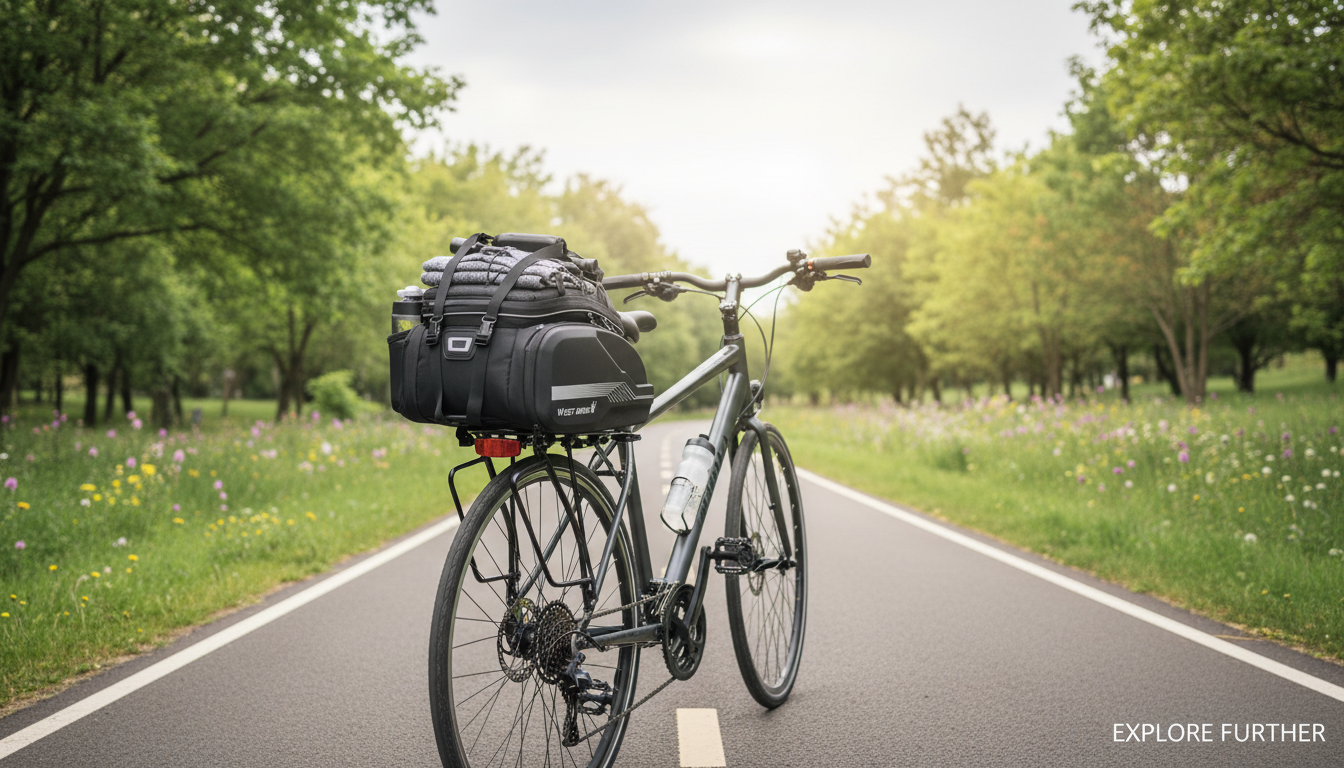
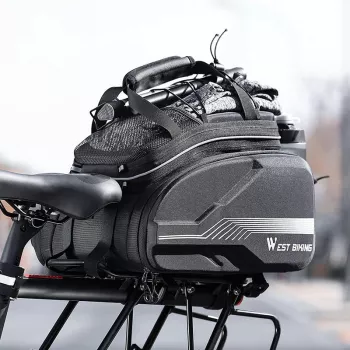
Expandable Waterproof Bike Trunk Bag 20–35L for MTB & Road Cycling
A rear rack trunk bag that expands from 20L to 35L can cover the gap between everyday rides and longer day trips—without forcing a backpack. The right design keeps gear stable over rough pavement or trail chatter, sheds spray in bad weather, and gives quick access to essentials like tools, layers, and snacks. For riders who bounce between road miles, commuting, and light MTB routes, an expandable trunk bag is one of the simplest ways to add practical storage while keeping the bike’s handling predictable. For more guidance, see Review: Tailfin X Three Rack & Bag Set – Cycling UK.
What an expandable trunk bag adds to a rear rack setup
The biggest advantage of a trunk bag is how naturally it integrates with a rear rack: you get real capacity without changing cockpit space or strapping items to your body. For further reading, see Bike Trunk Bags – Rhinowalk.
- Adjustable capacity for mixed ride plans: stay compact for short loops, then expand for extra layers, food, or a light lock when plans change.
- Lower, more stable carry than bar-mounted storage: heavier items like a mini pump, multitool, and spare tube tend to feel calmer when they’re centered over the rack rather than hanging off the bars.
- Faster packing than panniers for small-to-medium loads: great for errands, fitness rides, and day touring when you don’t need full side bags.
- No sweaty back: moving storage off your body improves comfort on climbs and in warm weather.
Key features that matter on MTB and road rides
Not all rack bags behave the same once the pavement turns rough or the weather turns wet. A few details make a noticeable difference in real riding conditions.
- Water resistance and seam protection: waterproof fabric helps, but protected zippers and smart seam placement matter just as much. A structured top can reduce water pooling during steady rain.
- Expansion method: zip-out gussets or fold-out panels should open smoothly and keep added volume centered over the rack (not drooping to one side).
- Attachment security: a good rack bag resists side-to-side sway. Straps or quick-release systems should stay tight over cracks, washboard, and trail chatter.
- Shape and access: a wide main compartment speeds loading, while smaller pockets keep keys, phone, and repair items from migrating to the bottom.
- Visibility: reflective accents plus a rear light attachment point can improve safety on dawn, dusk, and commuter rides.
For quick checks on rack fit and mounting basics, Park Tool’s repair resources are a solid reference: Park Tool — Repair Help.
Capacity guide: what fits in 20L vs 35L
Capacity numbers feel abstract until you translate them into everyday gear. A 20–35L expandable trunk bag is especially useful because it matches how most rides actually go: sometimes minimal, sometimes “bring the extras.”
- 20L: ideal for a standard repair kit, compact rain shell, snacks, and daily essentials.
- 35L: better when you’re carrying bulkier layers, a lunch container, a small camera kit, extra water, or light grocery pickups.
- Load placement matters: keep heavier items low and toward the front (near the seatpost) to reduce rack flex and tail wag.
- Protect fragile items: use a soft divider (rolled towel or spare jersey) to cut bouncing and rattling.
| Capacity mode | Best for | Example loadout |
|---|---|---|
| 20L (compact) | Road rides, short commutes, fitness loops | Tube + levers, mini pump/CO₂, multitool, wallet/keys, thin windbreaker, bars/gel |
| 25–30L (expanded) | Longer rides, mixed weather, light errands | All above + mid-layer, light gloves, small lock, sunscreen, phone battery pack |
| 35L (max expanded) | Day trips, picnic rides, grocery top-ups | All above + lunch box, extra base layer, small first-aid kit, compact camera, small groceries |
Weather protection: keeping gear dry in real riding conditions
“Waterproof” can mean different things depending on where water hits the bag. With trunk bags, rear-wheel spray is usually the main culprit, especially on wet commutes and post-storm roads.
For broader packing concepts that translate well to day rides and light touring, Adventure Cycling’s gear and packing guidance is worth browsing: Adventure Cycling Association — Blog.
Fit and compatibility checks before buying
Expandable Waterproof Bike Trunk Bag 20–35L: quick overview
If you want one bag to cover weekday utility rides and bigger weekend loops, the Expandable Waterproof Bike Trunk Bag 20–35L for MTB & Road Cycling is built around that exact use case.
Setup tips for a quieter, steadier ride
More in-stock picks
- Expandable Waterproof Bike Trunk Bag 20–35L for MTB & Road Cycling
- 56PCS Magnetic Tiles Building Blocks Set with Dinosaurs – Educational STEM Toys for Kids
- 31.5″ Large Round Decorative Mirror
- Modern LED 6-Drawer Dresser for Bedroom – Wood Chest with Adjustable Lights
FAQ
Will a trunk bag like this work for both road bikes and mountain bikes?
Yes, as long as the bike has a compatible rear rack. For MTB use, prioritize a tight, sway-free attachment and keep weight centered and low to improve stability on rough terrain.
How waterproof is a waterproof bike trunk bag in heavy rain?
Waterproof fabric helps a lot, but zippers, seams, and spray direction matter. For long downpours, add internal dry bags for electronics and spare clothes, and consider a rear fender to reduce wheel spray.
How much weight should be carried in a rear trunk bag?
Stay within the rear rack’s stated load rating and keep heavier items toward the front of the bag. If the bike starts to feel wobbly when standing or cornering, reduce the load or redistribute weight.














Leave a comment