Foldable Indoor Dog Cage with Toilet Tray for Easy Training
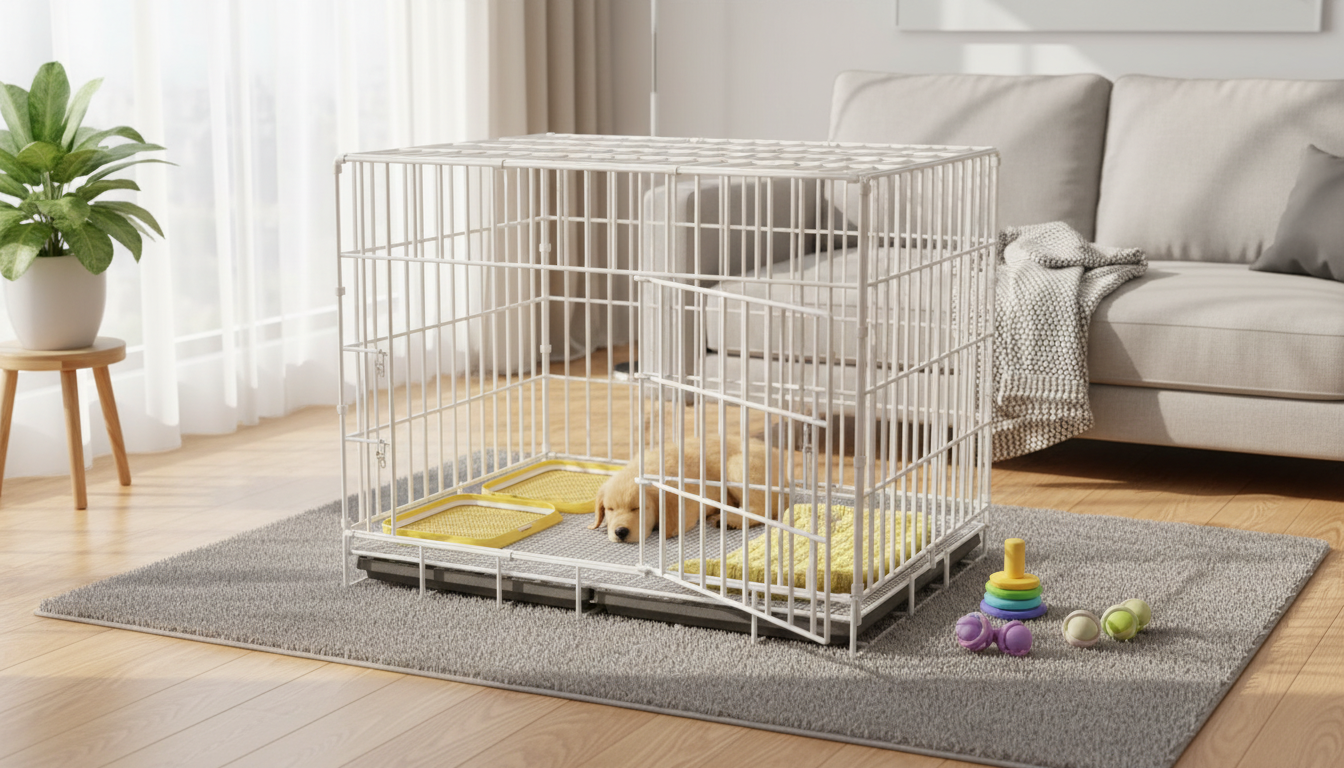
Foldable Indoor Dog Cage with Toilet Tray for Small and Medium Pets
A foldable indoor cage with a built-in toilet tray can simplify house-training, protect floors, and create a predictable rest space for small and medium pets. The right setup balances comfort, hygiene, and safety while fitting neatly into everyday living areas. For more guidance, see Practical Pomeranian Potty Training Tips.
What This Cage Setup Solves at Home
Indoor routines get easier when pets have one consistent place to rest and one consistent place to practice potty habits. A cage that combines a resting zone with a separate toilet tray area supports calmer downtime and cleaner daily living—especially in apartments or during bad-weather days. For further reading, see How to Crate Train Your Dog or Puppy | Humane World for Animals.
- Creates a designated rest zone that helps reduce roaming, chewing, and accidents during unsupervised moments.
- Adds a toilet tray area to support routine potty practice, especially helpful for puppies, senior pets, and apartment living.
- Folds down for storage or travel, making it easier to keep a consistent “safe space” across rooms or visits.
- Helps keep floors cleaner by separating sleep space from the toilet area and containing mess within washable surfaces.
Key Features to Look For in a Foldable Cage with Toilet Tray
Not all foldable cages are built the same. Focus on details that reduce stress for your pet and reduce daily cleanup for you—without turning your living space into a full-time training station.
- Fold-and-carry design: hinges or collapsible panels that allow quick setup without tools.
- Toilet tray construction: smooth, non-porous plastic that resists staining and won’t hold odors; raised edges help contain spills.
- Floor comfort and traction: a stable base that reduces sliding and wobble; add a thin mat or bedding on the resting side (kept away from the tray area).
- Door access and latches: secure, easy-to-open latches that won’t pop open when bumped; wide door opening for confident entry.
- Ventilation and visibility: open sides for airflow and for pets to see household activity, reducing stress in busy homes.
- Materials and cleaning: surfaces that tolerate pet-safe cleaners; removable tray sections make daily cleaning faster.
For general crate training guidance and positive reinforcement methods, reputable resources include the ASPCA crate training guide and the AKC’s crate training tips.
Sizing and Fit for Small and Medium Pets
Good sizing prevents the cage from feeling like a punishment while still encouraging tidy habits. The goal is enough room for comfort on the resting side, plus a clearly separate area for the toilet tray.
Quick Home Fit Checklist
| Check | What to Measure/Confirm | Why It Matters |
|---|---|---|
| Resting space | Pet can stand and turn without crouching | Prevents discomfort and reluctance to use the cage |
| Tray access | Clear step-in height and stable footing | Reduces misses and hesitation during training |
| Placement | Room dimensions + door opening space | Avoids blocked walkways and pinched fingers/paws |
| Floor protection | Space for a washable mat underneath | Catches stray drips and simplifies cleanup |
| Noise/traffic | Distance from loud appliances and heavy foot traffic | Supports calm resting and easier crate acceptance |
Daily Routine: Rest Zone + Toilet Tray Training
If the long-term goal is fully outdoor potty breaks, a structured approach to house training can help you phase out indoor options at your pet’s pace; the Humane Society’s house-training resource outlines practical timing and reinforcement basics.
Cleaning and Odor Control Without Harsh Chemicals
Safety and Comfort Tips for Indoor Use
Product Option: Foldable Indoor Dog Cage with Toilet Tray
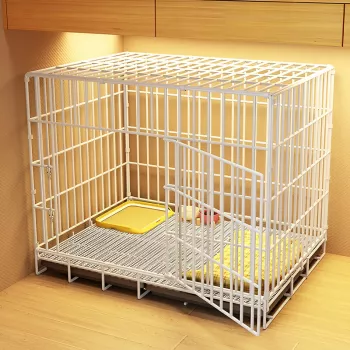
If you’re setting up a cleaner indoor routine for a small or medium pet, Foldable Indoor Dog Cage with Toilet Tray for Small and Medium Pets is designed to combine a rest zone with an integrated toilet tray. The foldable structure also makes it easier to store, move between rooms, or bring along so your pet’s “home base” stays familiar.
At-a-Glance Details
| Item | Details |
|---|---|
| Product | Foldable Indoor Dog Cage with Toilet Tray for Small and Medium Pets |
| Price | 59.82 USD |
| Availability | In stock |
| Best for | Small and medium pets; indoor potty routine; portable setup |
More In-Stock Picks for Home Life
- 31.5″ Large Round Decorative Mirror for brightening entryways or pet-ready mudrooms.
- Modern LED 6-Drawer Dresser for Bedroom – Wood Chest with Adjustable Lights for storing cleaning supplies, pads, or training essentials out of reach.
- 56PCS Magnetic Tiles Building Blocks Set with Dinosaurs – Educational STEM Toys for Kids for keeping kids engaged during training sessions and cleanup routines.
FAQ
Can a toilet-tray cage help with house-training in an apartment?
Yes. Predictable access to the tray reduces indoor accidents by giving your pet a consistent “go here” option, especially when elevator trips or weather make outdoor breaks slower. Use a schedule (after waking, meals, play, and before bed) and gradually shift more potty trips outdoors if that’s your goal.
How often should the toilet tray be cleaned?
Plan on quick daily cleanup (remove waste, wipe the tray, replace pads or rinse inserts) and a deeper weekly wash with warm water and mild, pet-safe detergent. If odor lingers on nearby mats or flooring, an enzymatic cleaner helps remove scent cues that can trigger repeat accidents.
Is it okay for a pet to sleep in the same cage that has a toilet tray?
It can be, as long as the resting zone and tray zone are clearly separated and the cage stays clean. Keep bedding and comfort items on the rest side only, and maintain the tray area so the pet isn’t forced to rest near soiled surfaces.













Leave a comment