Waterproof ATV/UTV Steel-Cable Winch: Trail Recovery Guide
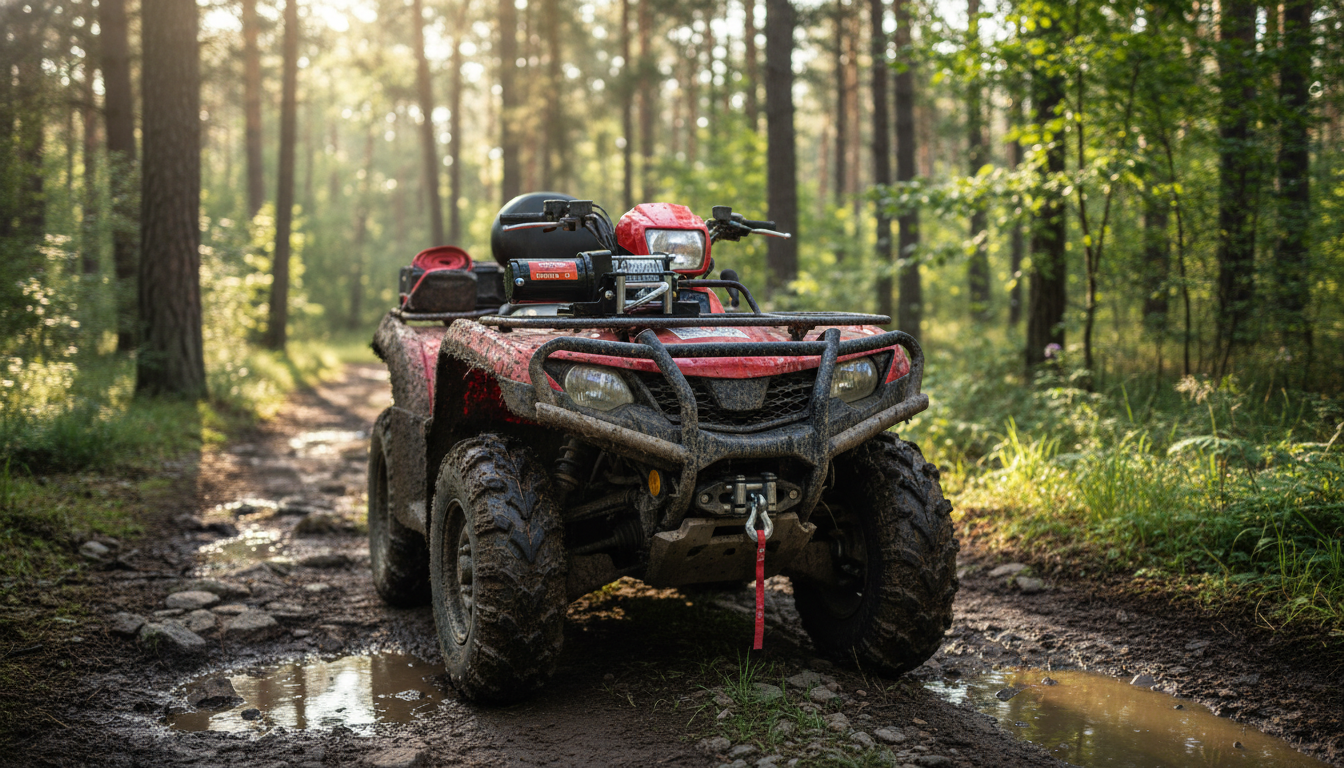
Waterproof ATV/UTV Winch with Steel Cable: Reliable Recovery for Mud, Water, and Trails
A waterproof winch with a steel cable is built for the kind of recoveries that happen in the real world: muddy ruts, creek crossings, snow drifts, and steep, uneven terrain. The goal isn’t just raw pulling power—it’s consistent performance when everything is wet, gritty, and vibrating. Below is what to look for in water resistance, pulling specs, steel cable handling, electrical connections, and safer winching habits so an ATV or UTV is ready for dependable self-recovery and utility pulls. For more guidance, see RT40 Warn Winch Kit | Can-Am Commander Forum.
What “waterproof” means on a winch
On ATV/UTV winches, “waterproof” usually means key components are sealed to resist water and mud intrusion during splashes, shallow submersion, and routine washdowns. The motor housing and gearbox are the big ones, but water resistance is only as strong as the system’s weakest entry point. For further reading, see Superwinch Terra 45 – Can-Am Commander Forum.
- Sealed motor and gearbox areas: Better sealing helps keep contamination out, reducing noisy gears, sluggish spooling, and premature wear.
- Corrosion prevention: Water resistance isn’t just about keeping it running today—it helps prevent corrosion on electrical connections and metal parts that can shorten the life of the winch.
- Maintenance still matters: After wet rides, a quick rinse, dry-down, and inspection goes a long way toward reliability.
- Protect the “small stuff”: Focus on the solenoid/contactor housing, the remote connector, and cable entry points—these areas often cause the most frustrating intermittent problems.
Why steel cable is still a solid choice for ATV/UTV winching
Synthetic rope has its advantages, but steel cable remains a practical option for riders who deal with sharp rocks, brush, stumps, and repeated contact with rough surfaces. For trail recoveries where the line may rub or drag before it’s tensioned, steel cable’s toughness can be a major plus.
- High abrasion tolerance: Steel stands up well to edges and scraping that can quickly damage unprotected rope fibers.
- Heat and friction resilience: During repeated pulls or when spooling under load, steel generally handles drum heat better.
- Storage and UV resistance: Steel doesn’t degrade from sunlight like some materials, though it can rust if neglected.
- Trade-offs: Steel is heavier, can develop broken wire strands (“fishhooks”), and should always be handled with gloves.
Steel Cable vs. Synthetic Rope (quick comparison)
| Feature | Steel Cable | Synthetic Rope |
|---|---|---|
| Abrasion resistance | High | Medium (needs protection sleeves) |
| Handling | Requires gloves; can develop burrs | Easier on hands; inspect for cuts |
| Water/mud exposure | Can corrode; needs drying/oiling | Won’t rust; can trap grit in fibers |
| Weight on ATV/UTV | Heavier | Lighter |
| Drum heat tolerance | Higher | Lower (heat management important) |
Key features to look for before buying
A winch that looks “heavy-duty” on the listing can still disappoint on the trail if the specs don’t match how an ATV/UTV is actually used. Prioritize the details that affect real recoveries: pulling power under load, sealing at the controls, and smooth cable management.
- Rated line pull: Match capacity to vehicle weight and conditions. Mud, suction, and steep grades can demand far more than a simple “flat ground” tug.
- Gear ratio and line speed: Higher mechanical advantage often trades speed for torque. Faster line speed can be nice for utility work, but recovery pulls benefit from controlled power.
- Sealed controls and connectors: A protected contactor/solenoid and weather-resistant remote connections can reduce wet-condition failures.
- Cable length and hook quality: A longer reach helps when anchors are spaced out. Choose a hook with a solid safety latch and inspect it often.
- Fairlead type: Roller fairleads are common for steel cable and help reduce abrasion and kinking during angled pulls.
For fundamentals on anchoring, line angles, and safe zones, see WARN Industries — Winching Basics. For general safety considerations around wire rope handling and inspection, review OSHA — Wire Rope Safety.
Install considerations for a cleaner, safer setup
How to winch safely with a steel cable
Care after mud and water: keep it pulling strong
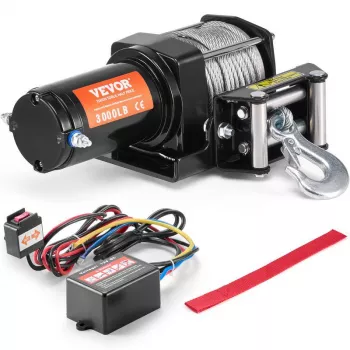
Product spotlight: Waterproof ATV/UTV Winch with Steel Cable
If wet trails and abrasive terrain are common, a steel-cable winch with water-resistant sealing can be a practical way to reduce downtime and keep recoveries predictable. The Waterproof ATV UTV Winch with Steel Cable is designed for muddy, splash-heavy riding where durability and dependable engagement matter for self-recovery and utility pulls.
At-a-glance details
| Item | Details |
|---|---|
| Product | Waterproof ATV UTV Winch with Steel Cable |
| Price | $205.51 |
| Availability | In stock |
| Product page | View product |
Trail-ready extras
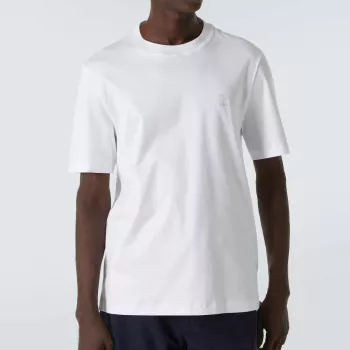
Long recovery days usually mean wind, water, and mud. For comfortable layering off the machine, the Brunello Cucinelli Cotton T-Shirt is an in-stock option that works as a breathable base layer under a jacket when conditions change.
FAQ
Can a waterproof winch be submerged?
Water-resistant sealing helps with splashes and brief submersion, but prolonged submersion or aggressive pressure washing can still force water into housings. After deep water, inspect, dry, and service the winch as needed to prevent corrosion and contaminated lubricant.
How often should a steel winch cable be replaced?
Replace it when you see broken strands, kinks, crushed sections, flattened spots, severe corrosion, or a damaged hook/termination. Frequent pre-ride inspections are the safest approach, and replacing early is better than risking a failure under load.
Is steel cable safer than synthetic rope?
Both can be safe when used correctly. Steel offers strong abrasion and heat tolerance but requires gloves and careful inspection for burrs and broken wires; synthetic is easier to handle but must be protected from cuts and heat, and both benefit from using a line damper to reduce snap-back risk.














Leave a comment