Triple-Hybrid HiFi IEMs: Detachable Cable & Mic Guide
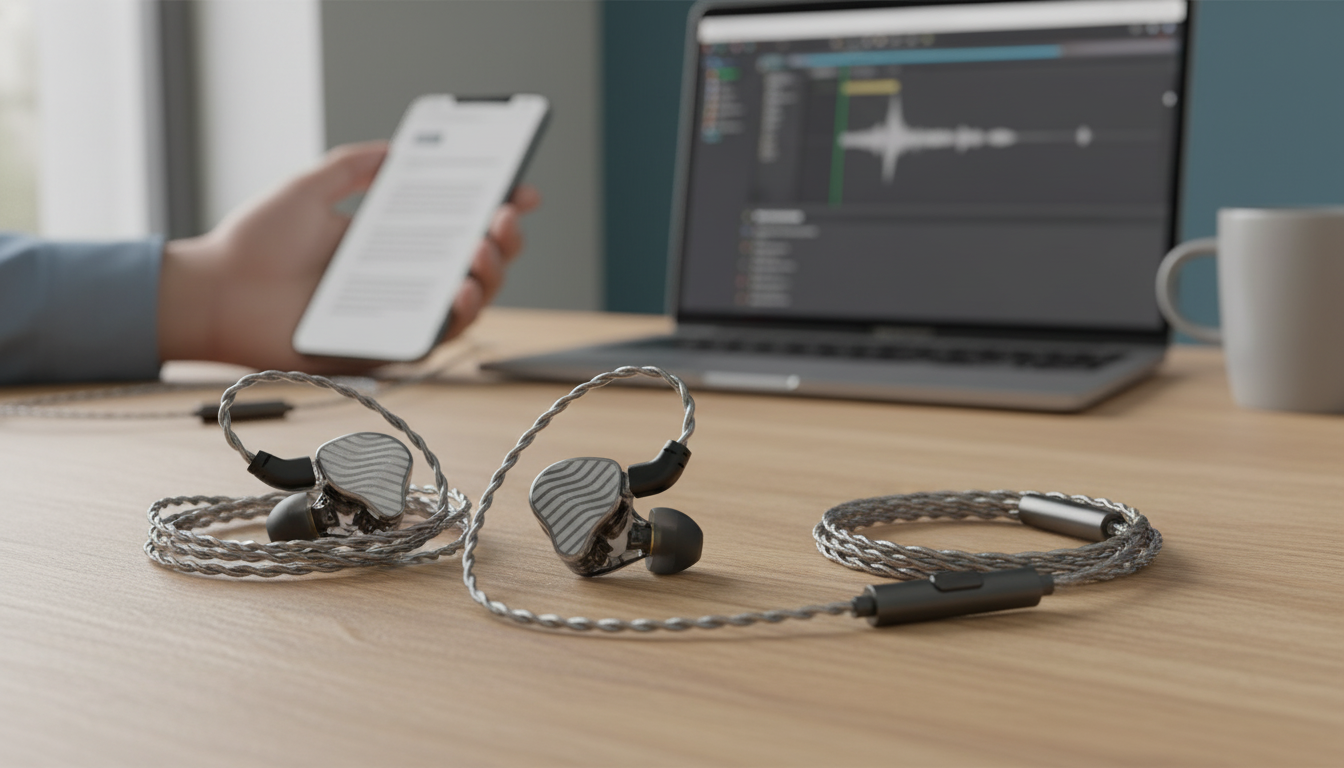
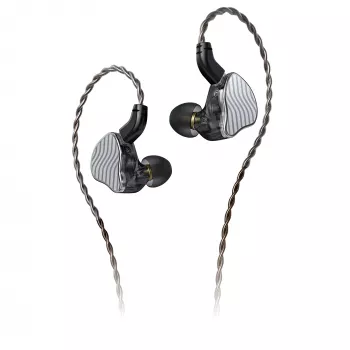
Triple Hybrid Driver HiFi In-Ear Earphones with Detachable Cable & Mic
Triple-hybrid in-ear earphones are designed for listeners who want clear separation, impactful low end, and crisp detail in a compact form. With a detachable cable and an in-line microphone, this style also suits everyday calls, commuting, and desk listening while keeping maintenance simple if a cable wears out.
If you’re shopping for a versatile wired set, take a look at the Triple Hybrid Driver HiFi In-Ear Earphones with Detachable Cable & Mic for an easy-to-service setup that works across phones, laptops, and portable players.
What makes a triple-hybrid in-ear design different
A “hybrid” in-ear typically combines different driver types so each can focus on the range it handles best. In practical listening terms, that often means bass notes hit with more authority, vocals stay more distinct, and cymbals or string texture come through with less congestion when a track gets busy.
With a triple-hybrid layout, you’re usually aiming for:
- Cleaner layering: kick drum, bass guitar/synth, and vocals feel less stacked on top of each other.
- Faster transients: snare snaps and plucked strings can sound more “immediate,” especially at moderate volumes.
- Lower perceived distortion at louder levels: when you do turn things up, complex passages can stay composed longer.
Driver count isn’t a guarantee of better sound on its own. Fit, ear tips, and the source device (phone, dongle, or player) can change bass quantity, treble bite, and even imaging more than expected.
Sound character and everyday listening performance
Bass: impact, control, and the seal
A good triple-hybrid tuning tends to deliver satisfying punch for kick drums and electronic bass lines without smearing into the midrange. Sub-bass presence depends heavily on seal: if the tips leak even slightly, the “floor” of the low end drops out and the sound can turn thin. If the bass feels weak, change tip size or material before touching EQ.
Mids: vocal clarity for music, podcasts, and calls
Midrange balance matters because it’s where voices live. A well-judged midrange keeps singers centered and intelligible, and it also helps speech sound natural during podcasts or meetings. If vocals feel distant, a shallower insertion or a different tip (often silicone) can bring them forward.
Treble: detail and air without harshness
Treble is where you hear “air,” room reverb, and micro-details like pick noise. If the top end ever feels sharp, small adjustments go a long way: try foam tips, slightly reduce insertion depth, or use a gentle high-shelf cut rather than heavy boosting elsewhere.
Soundstage and imaging
In-ears won’t mimic open-back headphones, but they can still place elements precisely left-to-right. Consistent fit between ears is key—if one side sits deeper, imaging can skew. Even a few millimeters can change how centered vocals feel.
Volume discipline
Clearer drivers can tempt louder listening because details remain audible as you increase volume. Keeping levels comfortable reduces fatigue and protects hearing over time. For more guidance, see World Health Organization — Make listening safe and NIOSH — Noise and Hearing Loss Prevention.
Fit, comfort, and isolation
Comfort and isolation usually come down to tip choice and insertion technique:
- Silicone tips: a balanced feel and sound; often the best starting point for day-to-day use.
- Foam tips: increased passive isolation and a slightly smoother treble presentation; great for commuting or noise-sensitive listeners.
For stable fit, seat the nozzle so the housing rests naturally in the outer ear without pressure points. If you feel “hot spots” after 20–30 minutes, try a smaller tip or adjust angle and depth—comfort is often about reducing outward pressure, not forcing a deeper seal.
Outdoors, wind and cable noise can be reduced by securing the cable and routing it neatly. If a clothing clip is included, using it can noticeably cut cable tug and microphonics while walking.
Detachable cable and microphone: convenience and longevity
Build quality, accessories, and daily carry
For everyday essentials beyond audio, you can also browse items like the Brunello Cucinelli Cotton T-Shirt for a clean, comfortable daily-wear option.
Setup tips: getting the best sound from phones, dongles, and players
Specs and features at a glance
| Feature | Why it matters | What to check |
|---|---|---|
| Triple-hybrid driver layout | Cleaner separation and layered sound | Balanced bass/mids/treble with good fit |
| Detachable cable | Replaceable if damaged; easier storage | Secure connectors; no wobble or dropouts |
| Inline mic | Calls and meetings without swapping gear | Wind handling; clear voice pickup |
| Passive isolation | Commute and office focus | Tip seal; foam tips for more isolation |
| Comfort for long wear | Less fatigue across hours | Housing shape; tip sizes; pressure points |
| Maintenance-friendly design | Longer usable life | Nozzle mesh protection; easy cleaning access |
Care and maintenance for long-term performance
Who this style suits best
FAQ
Do these earphones need a headphone amplifier?
Most phones, laptops, and USB-C/Lightning dongles can drive many in-ear earphones to satisfying volume. An amplifier can help with cleaner output and extra headroom depending on sensitivity and impedance, but fit and source quality usually make the biggest difference first.
How do detachable cables improve durability?
Cables are common wear points due to daily bending and tugging, and intermittent connection issues often come from cable strain. With a detachable design, a worn cable can be replaced quickly without replacing the entire earphone, especially if you unplug by the connector and store the cable without tight wraps.
Are they good for calls and meetings?
They can work well for calls because the inline mic keeps your setup simple and wired audio avoids latency. Call clarity depends on mic distance, wind exposure, and your device’s noise suppression, and some control-button functions may vary by phone OS and apps.















Leave a comment