Inflatable Bike Saddle: Air-Cushion Comfort on Rough Roads
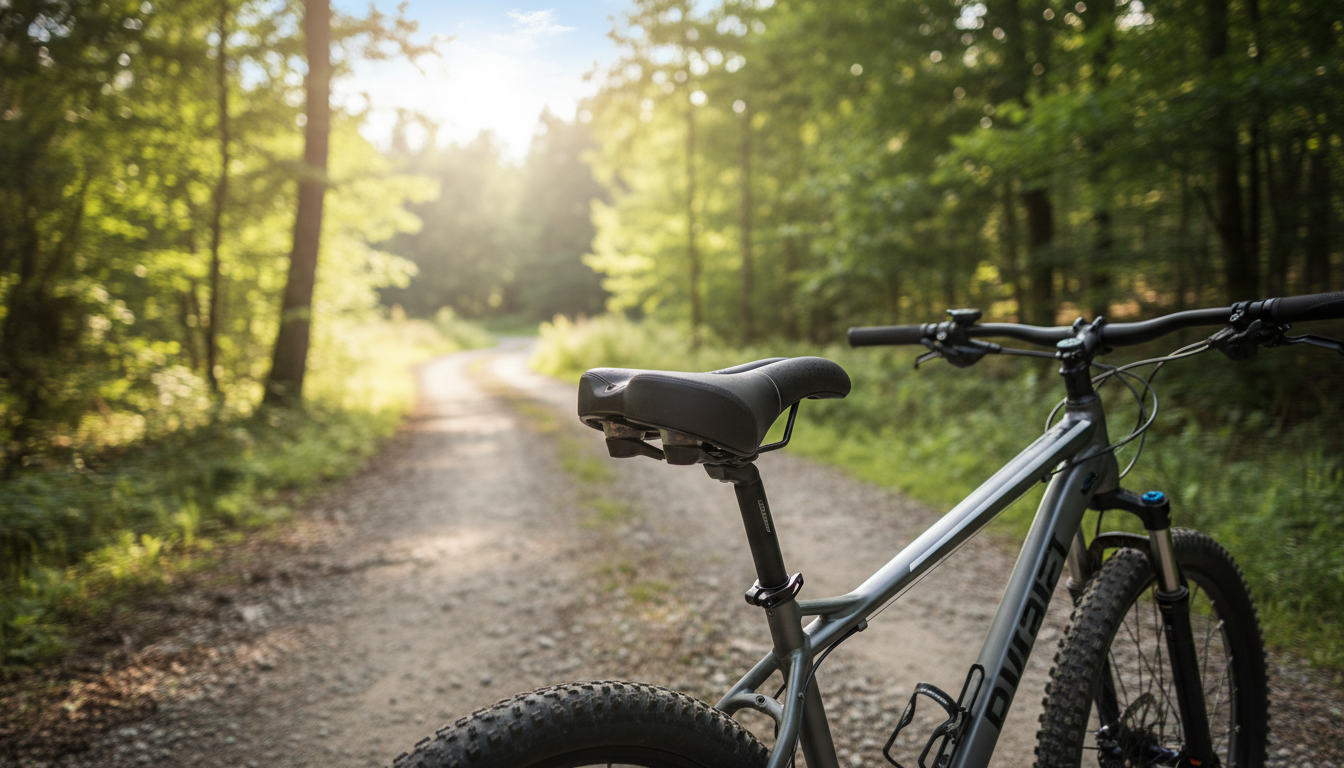
Inflatable Comfort, Without the “Brick Saddle” Feel
Rough pavement, gravel shortcuts, and surprise potholes can turn a pleasant ride into a sore-backed grind. An inflatable bike saddle adds a tunable air layer between rider and road, helping soften chatter and reduce pressure points while keeping the bike feeling responsive. Instead of relying only on foam to absorb impacts, an air-cushion design lets you adjust firmness to match your route, posture, and sensitivity—whether you’re commuting across broken asphalt or cruising on a rigid-frame bike with minimal tire volume.
What Makes an Inflatable Air-Cushion Saddle Different
Traditional saddles typically use foam or gel to handle vibration. That works well for steady road buzz, but sharp hits can “bottom out” the padding—meaning the impact goes straight through to you. An inflatable air chamber changes how the saddle reacts under load.
- Extra compliance where foam can fail: Air compresses under impact, helping reduce the harshness of sudden bumps.
- Tunable firmness: Add or release air to adapt to different terrains, clothing layers, or longer ride days.
- Pressure management: A properly adjusted air layer can reduce peak pressure on sit bones during long rides and stop-and-go commuting.
- Biggest benefit on rigid setups: The effect is especially noticeable on bikes with rigid frames, skinny tires, or higher tire pressures.
Comfort and Shock Absorption: How the Air Layer Helps
Air behaves a bit like micro-suspension. It doesn’t replace a suspension fork or larger tires, but it can change how impacts feel at the saddle—often the most direct contact point during seated riding.
- Less “snap” on impacts: The air layer can spread sudden hits over a slightly longer time, which many riders perceive as less jarring.
- Vibration control across surfaces: Slightly softer setups can mute chipseal and washboard chatter, while firmer setups feel more stable when you’re pedaling hard.
- Balance matters: Too soft can increase movement and rubbing, which may create new hot spots.
- Fit still rules: Comfort improves most when combined with basic fit checks—neutral pelvis, proper reach, and stable core support.
For a deeper look at saddle comfort fundamentals, see Sheldon Brown’s saddle guide. And if discomfort persists, a general fit review can help; both Harvard Health Publishing and the Cleveland Clinic outline practical fit basics.
Fit First: Finding the Right Support for Your Sit Bones
Saddle comfort is driven by width and shape more than padding thickness. The goal is to support your sit bones (ischial tuberosities) rather than soft tissue. An air cushion can refine comfort, but it shouldn’t be used to “solve” a position problem.
- Width and shape come first: If the saddle is too narrow, you’ll search for support and load sensitive areas. If it’s too wide, you may rub inner thighs.
- Front discomfort often signals tilt/position: If pressure builds at the front, level the saddle and confirm the nose isn’t tilted up.
- Side or inner-thigh chafing: Bulky edges, an overly wide saddle, or too much side-to-side movement can cause rubbing.
- Use air adjustment as a “fine dial”: Get height, fore-aft position, and tilt close first—then tune air for surface feel.
Setup and Adjustment: Dialing in the Air Cushion
The best air pressure is the one that stays stable under your pedaling load while taking the edge off rough surfaces. Think “supported” rather than “squishy.”
- Start moderately firm: Inflate until the saddle feels supportive without bouncing when you settle your weight.
- Test on mixed terrain: Do a short loop that includes smooth pavement and rough patches; adjust in small increments.
- Prioritize stable pedaling: Excess squish can increase hip rocking, which may lead to lower-back fatigue over time.
- Recheck tilt: Adding air can slightly change the perceived angle, so confirm the saddle remains level (or at your preferred slight nose-down setting).
Quick Comfort Tuning Guide
| What you feel | Likely cause | Adjustment to try |
|---|---|---|
| Sharp jolt on bumps | Air cushion too firm or saddle too high | Release a little air; confirm saddle height |
| Sinking and side-to-side wobble | Air cushion too soft | Add a little air; ensure seatpost clamp is tight |
| Numbness or pressure at the front | Tilt or position issue more than air pressure | Level the saddle; slide slightly back if needed |
| Inner-thigh rubbing | Saddle shape/width mismatch or excessive movement | Increase firmness slightly; confirm saddle width and alignment |
Who This Saddle Style Suits Best
An inflatable, shock-absorbing saddle is a practical comfort upgrade when the route is rough, the bike is rigid, or the rider stays seated for long stretches.
Care Tips for Long-Lasting Comfort
Inflatable Shock-Absorbing Bike Saddle with Air Cushion Comfort: Key Buying Considerations
Shop In-Stock Picks
- Inflatable Shock-Absorbing Bike Saddle with Air Cushion Comfort ($53.67)
- 31.5″ Large Round Decorative Mirror ($133.01) — useful for checking riding posture and fit at home.
- 56PCS Magnetic Tiles Building Blocks Set with Dinosaurs – Educational STEM Toys for Kids ($21.82) — a fun add-on for families who ride and play.
FAQ
Can an inflatable saddle help with numbness?
It can help reduce peak pressure, but numbness is often caused by pressure on soft tissue or an off-level saddle. Correct saddle width, height, and a level (or slightly nose-down) tilt usually matter more than adding extra air.
How much should the air cushion be inflated?
Start moderately firm, then adjust in small steps after a short test loop. Too firm can feel harsh on bumps, while too soft can feel unstable and increase rubbing—aim for steady pedaling with less road chatter.
Will an air-cushion saddle feel bouncy when pedaling?
It shouldn’t; bounce usually means the cushion is underinflated or the setup is off. Add a little air and recheck saddle height and tilt so the saddle feels like a stable platform.
















Leave a comment