78mm Wide-Chute Cold Press Juicer: Slow, Smooth Juice
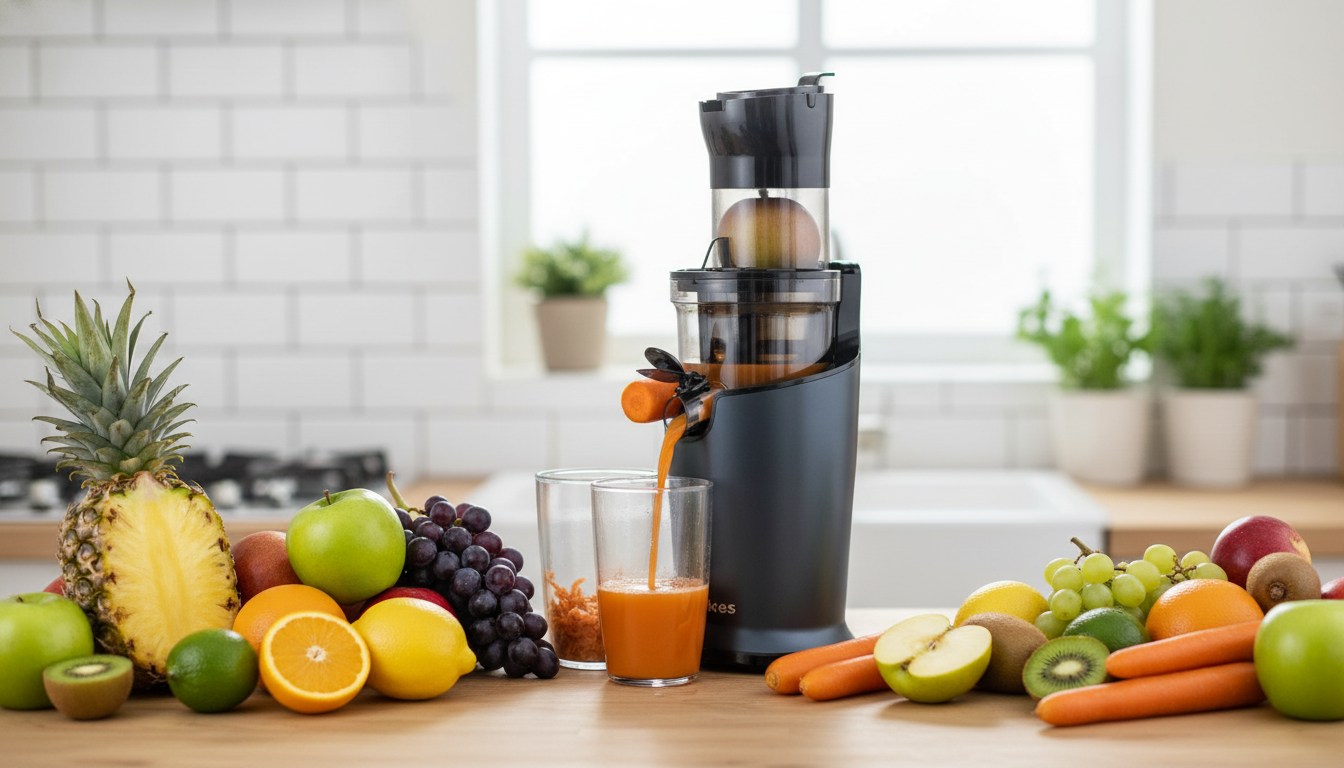
Cold Press Juicer with 78mm Feed Chute: What to Expect from a Slow Masticating Juice Extractor
A wide feed chute and a slow masticating system can make daily juicing faster, quieter, and less messy—especially when the goal is to juice whole fruits with minimal prep. A 200W cold press juicer with a 78mm feed chute is designed for steady, press-style extraction that prioritizes smooth texture and lower foam. Below is a practical guide to how a wide chute changes your routine, what “slow masticating” means for yield and mouthfeel, and how to keep cleanup and food safety manageable.
What a wide feed chute changes
A 78mm feed chute is one of the biggest quality-of-life upgrades for home juicing because it reduces the amount of knife work needed before you start. Instead of turning juicing into a full prep session, the chute size can support quick “wash and go” habits for many everyday ingredients.
- Less chopping for common fruits: Small-to-medium apples, pears, peeled oranges, and large carrot segments often fit with minimal trimming.
- Safer workflow when used correctly: A wider opening can help keep hands farther away from the auger area—as long as the lid is locked and the pusher is the only tool used for feeding.
- Smoother feeding: Larger pieces can help maintain a consistent press, reducing the stop-and-start cycle that sometimes happens with narrow chutes.
- Basic prep still matters: Remove large pits, hard seeds, thick rinds, and tough stems to protect components and keep flavors clean.
Slow masticating extraction: flavor, texture, and yield
Unlike high-speed centrifugal machines that grate produce, slow masticating juicers rely on an auger to crush and press ingredients through a filter. The result is typically a more uniform juice with less froth on top, which many people prefer for sipping and storing.
- Texture tends to be smoother: Pressing produces less aeration, so foam is often reduced compared with high-speed spinning.
- Great for greens and soft fruit blends: Cold press-style extraction is commonly chosen when clarity and mouthfeel matter, especially with leafy greens and delicate fruits.
- Yield depends on what you juice: Firm produce often produces a drier pulp and higher output, while watery fruits can leave moisture in the pulp by nature.
- Improve consistency with a simple rhythm: Alternate soft ingredients with firm ones, and avoid overloading the chute so the auger can keep moving fiber through.
Juicing expectations by ingredient type
| Ingredient type | Examples | Typical outcome | Prep tips |
|---|---|---|---|
| Firm fruits | Apples, pears | Good yield, balanced pulp moisture | Remove stems; cut only if too large |
| Hard vegetables | Carrots, beets | High yield, denser pulp | Trim ends; cut long pieces to fit safely |
| Leafy greens | Kale, spinach | Can juice well but needs steady feeding | Bundle with celery or apple to improve flow |
| Soft fruits | Berries, ripe mango | More puree-like juice, may increase pulp | Mix with firm produce for smoother pressing |
| Citrus | Oranges, grapefruit | Bright flavor; some bitterness if pith is heavy | Peel to reduce bitterness and protect filter |
Power and pace: what 200W is used for
With slow juicers, wattage is less about “speed” and more about torque: the ability to keep pressing dense produce and pushing fiber through the auger channel without stalling. A 200W motor is commonly paired with low-RPM operation, which supports steady extraction when feeding is consistent.
- Technique matters as much as power: The auger design and how evenly you feed ingredients can have a bigger impact than the watt rating alone.
- Steady wins: Feeding too quickly can cause clogging, wetter pulp, and more frequent stops to clear buildup.
- Adjust for fibrous items: Celery and ginger often do better in smaller portions, alternating with softer or water-rich produce.
- If pulp builds up: Pause the machine, use reverse if available, and then add a firm ingredient (like carrot) to help clear the pathway.
Cleanup, filtering, and daily usability
The best juicer is the one that gets used—so cleanup is a deciding factor. A cold press setup usually includes an auger and a filter, and the filter is where dried fiber can become stubborn if it sits too long.
- Prioritize simple disassembly: Fewer parts and intuitive alignment can cut daily friction, especially for morning routines.
- Rinse right away: A quick rinse immediately after pouring your juice prevents pulp from drying inside the filter and outlets.
- Use a quick-soak approach: Warm water plus mild soap and a dedicated brush can reduce scrubbing time.
- Dry fully to prevent odor: Let parts air-dry completely before reassembling or storing to reduce residue smells over time.
Noise, countertop footprint, and kitchen fit
Slow masticating systems are often chosen for their calmer sound profile. That makes them a better match for early mornings or shared living spaces, even when you’re juicing firmer ingredients.
Safety and juice storage basics
For additional guidance, see the CDC food safety basics and the FDA guidance for pregnant people.
Is this style of juicer a good match?
In-stock picks
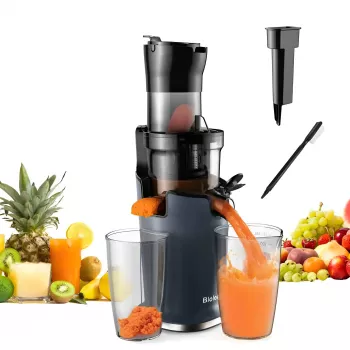
- Cold Press Juicer 78mm Feed Chute 200W Slow Masticating Juice Extractor for Whole Fruits
- Brunello Cucinelli Cotton T-Shirt
- Cozy Striped Baby Romper Jumpsuit for Newborns & Infants 0-18 Months
FAQ
Can whole apples go into a 78mm feed chute?
Often yes for small-to-medium apples, but size varies. Remove stems and cut only if the apple is too large to drop in comfortably, and never force produce—use the pusher with the lid locked.
Is cold press juice safer or healthier than other juice?
“Cold press” describes the extraction style and typically changes texture and foam more than basic nutrition. Safety depends on produce handling, clean equipment, and proper refrigeration.
How long does fresh juice keep in the fridge?
Quality is best the same day; refrigerate promptly in an airtight container. Discard juice if it develops an off odor, fizzing, or other signs of spoilage.















Leave a comment