4-Piece Fishing Tool Kit: Pliers, Knife, Gripper, Snip
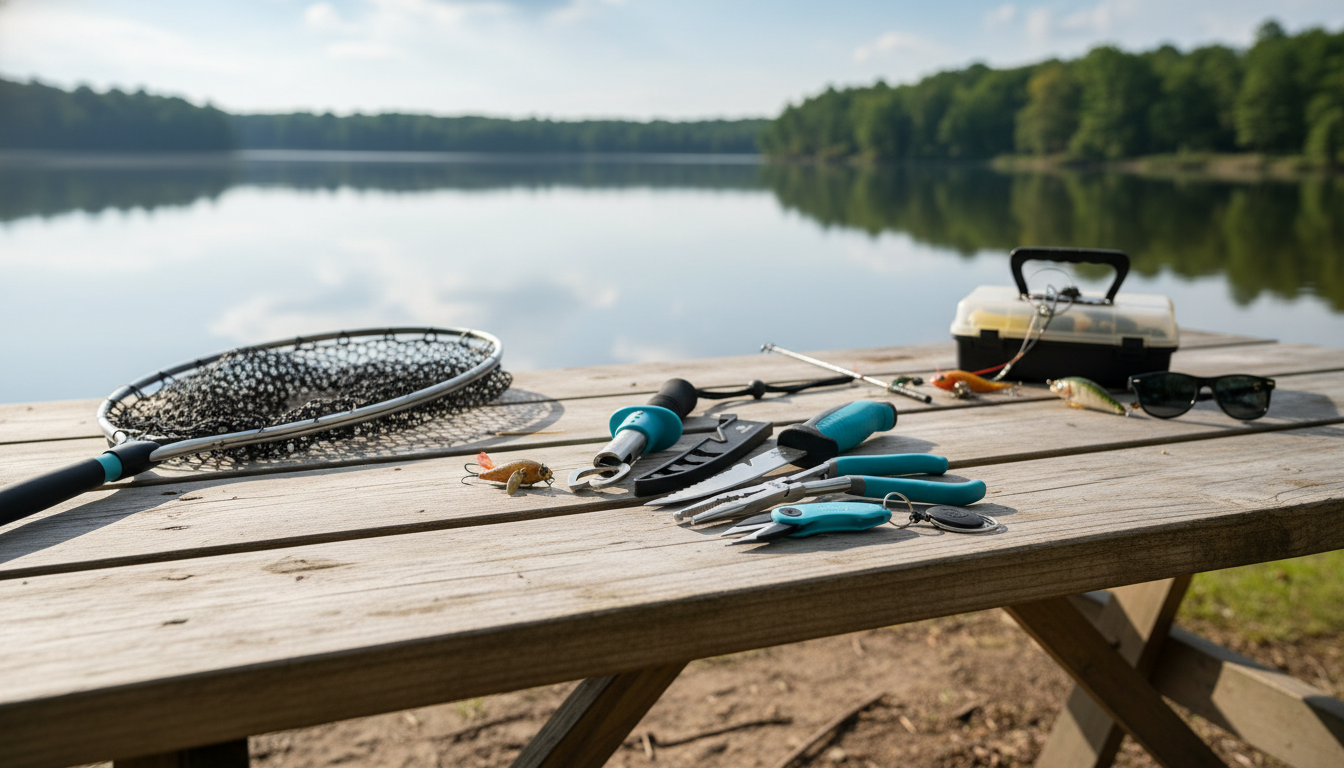
4-Piece Fishing Tool Kit with Pliers, Fillet Knife, Gripper & Line Snip
A compact tool set can make landing, unhooking, trimming line, and cleaning fish faster and safer. This 4-piece kit bundles the essentials into a grab-and-go setup suited for bank, boat, kayak, and pier fishing. Instead of digging for loose tools at the worst moment (a fish thrashing at your feet or a treble-hook swinging in the wind), you get a simple, practical lineup designed to keep hands protected and tasks moving.
What’s Included and What Each Tool Does
Each tool in the kit has a clear job, and together they cover most day-to-day handling needs from first hookset to cleanup.
- Fishing pliers: Helps remove hooks, pinch barbs (where legal), crimp split shot, and manage terminal tackle without tearing fingers on teeth or gill plates.
- Fillet knife: Intended for cleaning tasks like scaling assistance, opening the belly, and filleting once the catch is kept.
- Fish gripper: Provides a controlled hold at the jaw to reduce slips when handling lively fish and to keep hands away from hooks.
- Line snip: Quick cuts for braid, mono, and leader material when retying, trimming tag ends, or swapping rigs.
Tool quick guide: best uses and tips
| Tool | Best for | Pro tip | Common mistake to avoid |
|---|---|---|---|
| Pliers | Hook removal, split rings, crimping | Rinse after saltwater use and dry before storage | Twisting hooks out aggressively and widening the wound |
| Fillet knife | Cleaning and filleting kept fish | Use light strokes and let the edge do the work | Cutting on hard surfaces that dull the blade quickly |
| Fish gripper | Landing control and photos | Support the fish’s body with the other hand for larger species | Holding heavy fish vertically by the jaw for too long |
| Line snip | Cutting line and trimming knots | Cut braid close, then melt/tag-manage only if line type allows | Using dull cutters that fray braid and weaken knots |
Who This Kit Fits Best
Different fishing styles demand different gear, but a small core tool kit tends to pay off almost immediately. This set is especially handy for:
- New anglers building a first setup: Covers the most common needs without buying tools one by one.
- Travel and backup kit: Easy to keep in a tackle bag, vehicle, or boat compartment for quick access.
- Catch-and-release focused trips: Pliers + gripper can speed up unhooking and reduce handling time.
- Occasional keepers: Fillet knife supports basic cleaning when a legal fish goes home.
It’s also a smart fit for tight-space situations like pier rails or a small kayak deck, where setting down loose tools can mean watching them slide away.
Using the Tools Together for Faster, Safer Handling
The real advantage of a bundled kit is how smoothly each step connects to the next—less fumbling, fewer accidental pokes, and quicker releases.
- Landing sequence: Secure the fish with the gripper (and support the belly for larger fish), then remove the hook with pliers to minimize time out of water.
- Dealing with deep hooks: Keep tension controlled, use pliers to rotate the hook out along the entry path, and consider cutting the line when removal risks excessive harm.
- Retie routine: After releasing or re-rigging, use the line snip to trim tag ends cleanly and reduce knot slippage from frayed cuts.
- Cleaning workflow: Once a fish is kept and dispatched per local rules, switch to the fillet knife for controlled, shallow cuts to avoid waste.
For best fish care, keep handling brief, keep fish wet when possible, and use tools to avoid squeezing the body. For additional handling guidance, see NOAA Fisheries — Fish Handling and Release Best Practices.
Care, Storage, and Rust Prevention
A few minutes of maintenance after each trip keeps cutting edges sharper, moving parts smoother, and corrosion under control.
- After freshwater trips: Wipe down tools and air-dry before returning them to a closed bag or box.
- After saltwater trips: Rinse with fresh water, dry thoroughly, and use a light protective oil on metal surfaces where appropriate.
- Knife maintenance: Rinse, dry, and store with edge protected; touch up the edge regularly to keep cuts controlled and safer.
- Check moving parts: Ensure pliers hinge and snip action stay smooth; remove grit and sand promptly.
If you move between waters, keeping gear clean also helps reduce the spread of invasive species; the U.S. Fish & Wildlife Service — Clean, Drain, Dry guidance is a solid reference for best practices.
Common Scenarios Where a 4-Piece Kit Saves the Day
When it’s time to retie, a clean cut helps knots seat properly; for knot refreshers and rigging fundamentals, Take Me Fishing — Fishing Knots and Rigging Basics is a helpful primer.
4-Piece Fishing Tool Kit: Price and Availability
Shop: 4-Piece Fishing Tool Kit with Pliers, Fillet Knife, Gripper & Line Snip
More In-Stock Picks
- Brunello Cucinelli Cotton T-Shirt
- Cozy Striped Baby Romper Jumpsuit for Newborns & Infants 0-18 Months
- Toddler Baby Goose Embroidered Knit Sweater – Cozy Fall & Winter Pullover
FAQ
Can the line snip cut braided fishing line cleanly?
Yes—when the cutter edge is sharp and designed to handle braid, it should make a clean, firm cut. If you start seeing fuzzy ends or fraying, clean the snip and replace or sharpen it so your knots don’t weaken.
Is a fish gripper safe for catch-and-release?
It can be safe when used correctly: clamp securely but gently, keep handling brief, and support the fish’s body with your other hand—especially for heavier fish. Avoid holding a large fish vertically by the jaw for long, since that can strain the jaw and internal tissues.
How should the tools be cleaned after saltwater fishing?
Rinse with fresh water as soon as possible, dry completely, and apply a light corrosion protectant to metal surfaces where appropriate. Store tools in a ventilated spot until fully dry to reduce rust and keep hinges and cutting edges in good shape.















Leave a comment