Brunello Cucinelli Cashmere Coat: Lapels & Double Slit

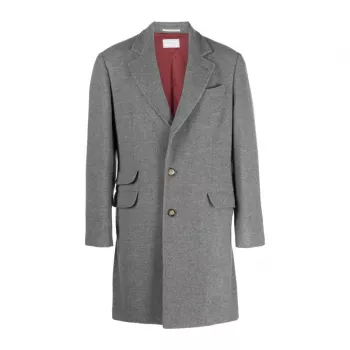
Brunello Cucinelli Cashmere Coat with Classic Lapels and Double Back Slit
A cashmere coat earns its place when it combines warmth, movement, and a clean silhouette that works from commuting to evening plans. The Brunello Cucinelli Cashmere Coat with Classic Lapels and Double Back Slit is built around those priorities: classic lapels create a timeless front line, while the double back slit improves stride and helps the hem fall with an easy, tailored drape. The result is an outer layer that looks refined without relying on loud branding—polish that reads as intentional in the office and relaxed after hours.
What Makes This Coat Stand Out
Luxury outerwear is often judged in the small details—how the fabric holds shape, how the coat moves when worn, and whether it stays sharp after a long day. This design is defined by understated elements that make a noticeable difference once it’s on.
- Pure cashmere feel with a polished look: cashmere is prized for its warmth-to-weight ratio and soft hand, yet it can still present a structured, elevated silhouette when thoughtfully constructed. For a quick overview of what cashmere is and why it’s valued, see Britannica’s cashmere overview.
- Classic lapels: a timeless lapel line frames the neckline cleanly, pairing well with everything from crisp shirts to fine-gauge knits.
- Double back slit for mobility: the dual vents help prevent pulling at the hips and allow easier movement when walking, climbing stairs, or sitting.
- Minimalist, finish-forward aesthetic: the focus stays on fabric quality, drape, and construction rather than bold logos—ideal for a wardrobe built on longevity.
Fit, Silhouette, and Layering
The best-looking cashmere coat is the one that holds a clean line while still allowing comfortable movement. Because cashmere is both insulating and refined, it’s common to wear it over lighter layers most of the season—then add a sweater or liner when temperatures drop.
- Shoulders and upper arms: aim for easy room across the shoulders so the coat doesn’t tug when you reach forward (think commuting, driving, or carrying a bag).
- Lapel-friendly necklines: the lapel shape pairs especially well with turtlenecks, collared shirts, and fine knits that sit neatly at the throat without bunching.
- Let the slits do their job: the double back slit helps the hem fall smoothly over tailored trousers and supports longer steps without the coat riding up.
- Layer with intention: for a streamlined look, keep inner layers thin; for deep winter, add a lightweight down liner or a chunkier knit if sizing allows without straining the closure.
Quick Fit Checks Before Keeping It
| Area | What to look for | Why it matters |
|---|---|---|
| Shoulders | Seam sits near the shoulder edge without collapsing | Maintains a clean line and prevents bunching |
| Chest | Can button/close comfortably with a sweater underneath | Ensures warmth without strain on fabric |
| Sleeves | Allows full arm lift without pulling across back | Comfort for driving, commuting, and daily wear |
| Hem & slits | Back slits open naturally when walking | Improves stride and reduces wrinkling |
Styling Ideas for Different Settings
- Workwear: wear the coat over a fine knit and tailored trousers. Finish with leather shoes or sleek boots for a sharp, quiet look.
- Evening: choose a monochrome base (all black, charcoal, or deep navy) to create an uninterrupted, elongated line that feels modern and deliberate.
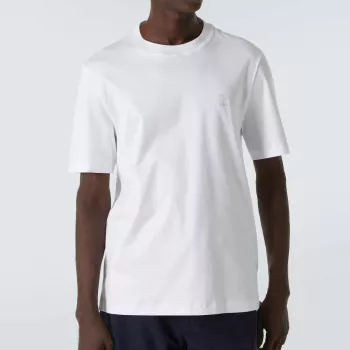
- Weekend: soften the formality by layering over a clean tee and denim. The Brunello Cucinelli Cotton T-Shirt is an easy option under a cashmere coat when the goal is effortless polish without overstyling.
- Cold-weather polish: add a tonal scarf and gloves. Keeping metals and leather tones consistent (belt buckle, watch, bag hardware) makes the outfit feel cohesive without looking “done.”
Care and Longevity Tips for Cashmere Outerwear
Cashmere rewards gentle handling. The goal is to keep the fibers resilient, maintain shape at the shoulders, and avoid unnecessary cleaning that can shorten the coat’s life. For general wool care principles that also apply to cashmere, reference The Woolmark Company’s care guidance.
- Air it out after wear: let the coat breathe before putting it away. A light brush can remove surface dust and help the nap look fresh.
- Use the right hanger: choose a wide, structured hanger to support the shoulders and avoid stretching or hanger dents.
- Spot-clean promptly: treat small marks early to reduce the need for full cleaning. Reserve professional dry cleaning for when it’s truly needed.
- Store properly off-season: keep it in a breathable garment bag and avoid damp closets. Moths are drawn to natural fibers; integrated prevention basics are outlined by the CDC/NIOSH resources on workplace and environmental health practices at CDC/NIOSH.
- Rotate wears: resting the coat between wears helps fibers rebound and keeps the silhouette crisp.
Product Snapshot
At a Glance
| Item | Details |
|---|---|
| Product | Brunello Cucinelli Cashmere Coat with Classic Lapels and Double Back Slit |
| Price | $7,901.00 USD |
| Availability | In stock |
| Product page | View product details |
FAQ
How does a double back slit change the way a coat wears?
A double back slit opens as you walk or sit, which improves stride and reduces pulling across the hips. It also helps the coat drape more cleanly over tailored trousers or dresses, keeping the hem from riding up.
Can a cashmere coat be worn in wet weather?
Light drizzle is usually manageable if you keep exposure brief and let the coat air-dry naturally afterward. Sustained rain can distort fibers and leave water marks, so it’s best to use an umbrella and avoid direct heat when drying.
How should a cashmere coat be stored to prevent damage?
Store it on a wide, supportive hanger in a breathable garment bag, and make sure it’s clean before putting it away for the season. Use moth prevention and avoid long-term plastic storage, which can trap moisture and lead to odor or mildew.














Leave a comment