Breathable Adjustable No-Pull Dog Harness: Better Walks
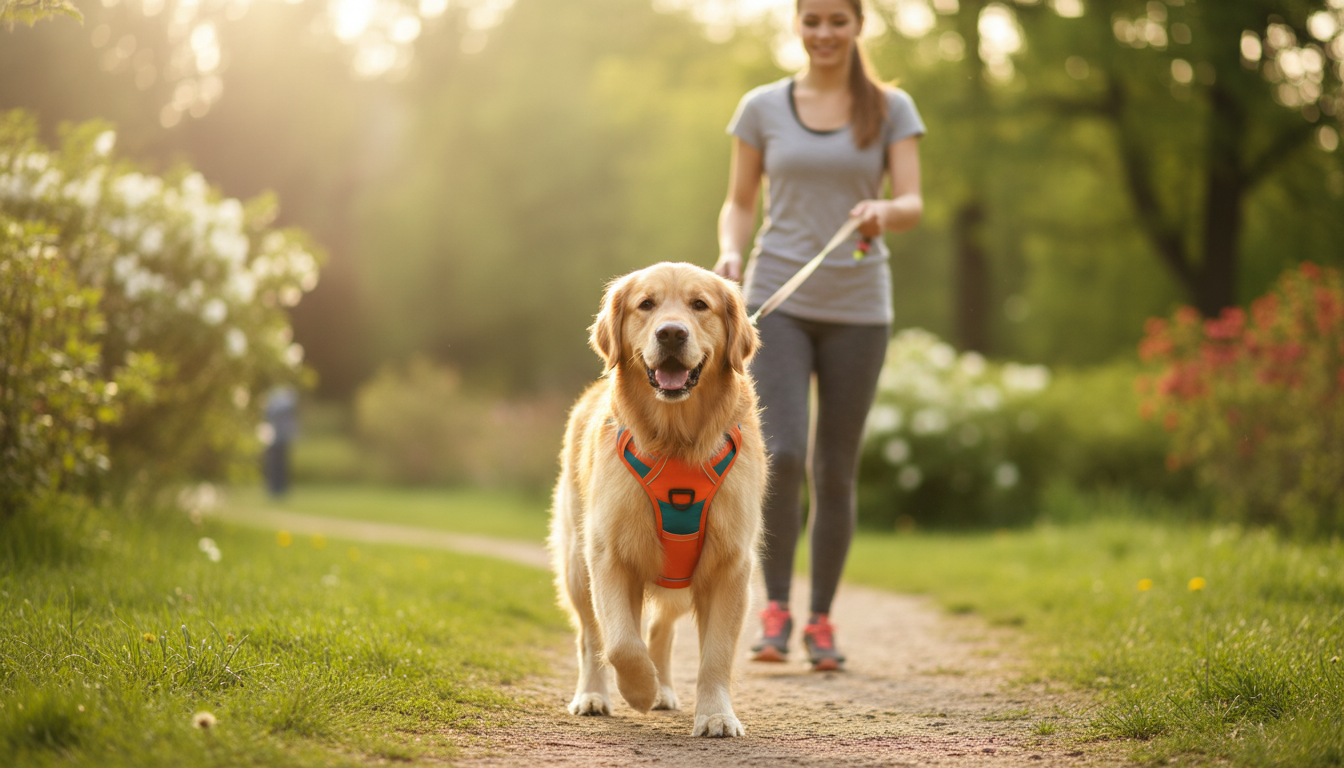
Adjustable No-Pull Dog Harness with Breathable Nylon Design: Comfort, Control, and Everyday Fit
A well-fitted harness can make walks calmer and safer by spreading pressure across the chest instead of the neck. An adjustable no-pull harness with a breathable nylon build is designed for daily outings, training sessions, and active dogs that need secure control without sacrificing comfort. Whether you’re working on loose-leash skills or just want a steadier way to handle sudden distractions, the right harness setup can turn everyday walks into a more comfortable routine for both you and your dog. For more guidance, see Dog Harnesses – VITAL VET REVIEW.
What Makes a No-Pull Harness Different
No-pull harnesses are built to discourage pulling by redirecting your dog’s forward momentum. Instead of letting your dog lean into the leash and power ahead, the harness helps guide their body back toward you, making it easier to reinforce calmer leash manners. For further reading, see Best Cat Collars, Harnesses & Leashes Reviews and… – Revain.
- Redirects forward momentum to reduce pulling and encourage better leash manners
- Helps avoid concentrated pressure on the throat compared with collar-only walking
- Useful for training periods, reactive moments, and busy sidewalks where control matters
- Works best when paired with consistent training cues and a proper fit
For training strategies that complement a no-pull setup, these guides are helpful: American Kennel Club: How to Stop Your Dog From Pulling on the Leash and VCA Animal Hospitals: Leash Training and Walking Your Dog.
Breathable Nylon Design: Comfort for Longer Walks
Comfort matters most when a harness is worn often. Breathable nylon is a practical choice for routine walking because it aims to keep the harness from feeling overly heavy or heat-trapping during movement.
- Breathable nylon helps reduce heat buildup during warm-weather walks and active play
- Soft, flexible material can reduce chafing when adjusted correctly
- Lightweight feel supports everyday use without adding bulk
- Best practice: keep fur under straps brushed and free of mats to prevent rubbing
Even breathable materials can irritate skin if grit gets trapped under the straps after a sandy trail or muddy park session. A quick rinse and air-dry can go a long way toward keeping the contact areas smooth.
Adjustability and Fit: Getting It Right the First Time
Fit is the difference between “secure and comfortable” and “sliding, rubbing, or easy to escape.” Before buying or adjusting, measure your dog according to the product’s sizing guidance—especially the girth (the widest part of the chest) and the lower neck/chest area where the front straps sit.
- Measure girth (widest part of chest) and lower neck/chest area per the product’s sizing guidance
- Aim for a “two-finger” fit under straps—snug enough to prevent slipping, not tight enough to pinch
- Check that strap lines sit clear of the armpits to reduce friction during movement
- Re-check fit after a few walks; straps can settle as the dog moves and the material breaks in
Quick Fit Checklist
| Checkpoint | What to Look For | Common Fix |
|---|---|---|
| Neck/chest strap position | Sits above the shoulders without pressing the throat | Loosen and reposition to avoid the windpipe |
| Chest strap tension | Two-finger space, no gapping | Tighten gradually; re-test after a short walk |
| Underarm clearance | No rubbing at the armpits when walking | Adjust chest strap higher or slightly loosen |
| Escape resistance | Dog can’t back out when stepping backward | Tighten and ensure proper strap routing |
| Leash attachment behavior | Dog turns/redirects rather than surges forward | Use the recommended attachment point and reinforce training cues |
No-Pull Control Without the Strain
A no-pull configuration is especially helpful when your dog’s sudden lunges create stress on your wrist, elbow, or shoulder. When the harness redirects movement, it can reduce the “hit” you feel at the end of the leash and make it easier to keep your posture steady.
- A no-pull setup can reduce sudden lunges that strain the handler’s wrist and shoulder
- Encourages slower, more deliberate walking when paired with rewards and consistent pacing
- Supports safer handling for medium-to-large dogs or strong pullers
- For dogs with anxiety or reactivity, pair with gradual exposure training and calm reinforcement
For many dogs, the biggest improvements come from combining equipment with timing: reward check-ins, keep the leash slack when possible, and pause (instead of pulling back) when your dog hits the end of the leash.
Daily Use Tips: Putting the Harness to Work
Care, Cleaning, and Longevity
Product Snapshot
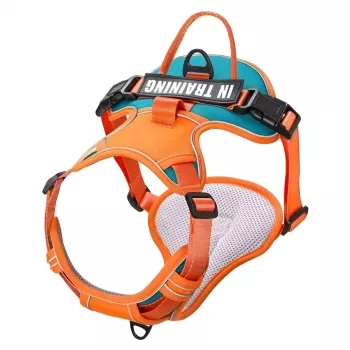
If you’re looking for a breathable, everyday harness built around adjustable fit and no-pull support, the Adjustable No-Pull Dog Harness with Breathable Nylon Design is ready for daily walks, neighborhood training, and active routines.
At-a-Glance Details
| Item | Detail |
|---|---|
| Product | Adjustable No-Pull Dog Harness with Breathable Nylon Design |
| Price | $21.51 USD |
| Availability | In stock |
| Best for | Daily walks, training, dogs that pull |
| Material focus | Breathable nylon |
Other In-Stock Finds
- 56PCS Magnetic Tiles Building Blocks Set with Dinosaurs – Educational STEM Toys for Kids
- 31.5″ Large Round Decorative Mirror
- Modern LED 6-Drawer Dresser for Bedroom – Wood Chest with Adjustable Lights
FAQ
How tight should a no-pull dog harness be?
Aim for a snug fit that still allows two fingers under each strap. Straps should lie flat, avoid armpit rubbing, and the harness should stay secure if your dog steps backward.
Is a harness better than a collar for dogs that pull?
A harness can reduce pressure on the neck by distributing force across the chest and shoulders. For best results, pair it with consistent leash training and consult a veterinarian if your dog has any medical concerns.
How do you keep a nylon dog harness from causing chafing?
Start with correct sizing and strap placement, and keep your dog’s fur brushed where straps sit. Avoid loose straps that slide, and clean/dry the harness regularly so dirt and grit don’t create friction.














Leave a comment