Baby Romper Sizing: Measure Weight vs Height
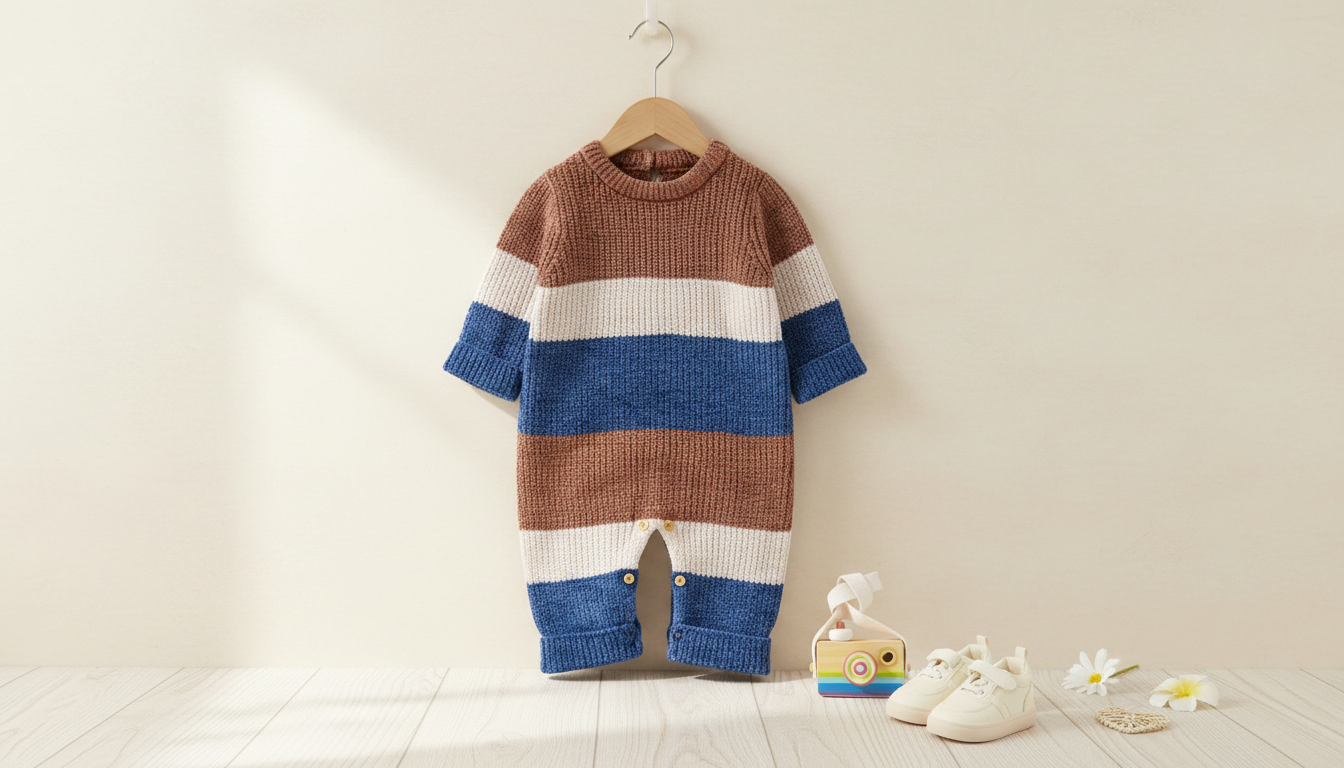
How do I measure my baby to choose the right romper size (height vs weight)?
For most baby rompers, start with weight for the best overall fit, then confirm with height to make sure the length works. Weight usually predicts how the romper will fit around the chest, tummy, and diaper area, while height helps prevent short legs, a tight rise, or shoulder strain.
Step 1: Get accurate weight
Use a baby scale if possible. If not, weigh yourself, then weigh yourself holding your baby, and subtract. Round to the nearest half-pound. When your baby is between sizes, choosing the size that matches the higher end of the weight range typically avoids a too-snug fit—especially with a diaper.
Step 2: Measure height (length)
Lay your baby on a flat surface and gently stretch their legs so they’re straight but not forced. Measure from the top of the head to the heel. If your baby is tall for their weight, prioritize the size that fits their length so the romper doesn’t ride up or pull at the shoulders.
How to decide when height and weight point to different sizes
If weight suggests one size and height suggests the next, use these quick rules:
- Chubbier build or cloth diapers: size up to avoid tightness through the body.
- Tall and lean: size up for length, then rely on cuffs/elastic to keep it neat.
- Between sizes: consider season and layering—size up for cooler months and room to grow.
Check fit once it’s on
A well-fitting romper should allow easy movement, close comfortably over the diaper, and not leave deep marks on thighs or shoulders. If snaps/buttons are straining, the rise feels short, or the legs look cropped, move up a size. For a detailed size-and-fit walkthrough for a specific style, visit this romper sizing and style guide.
FAQ
Should I size up in a baby romper for layering?
Yes—if you plan to wear a onesie or leggings underneath, sizing up usually prevents a tight torso and makes diaper changes easier. Stick closer to true size for warm weather when the romper will be worn alone.













Leave a comment