Dr. Martens Men’s Leather Ankle Boots: Fit & Care
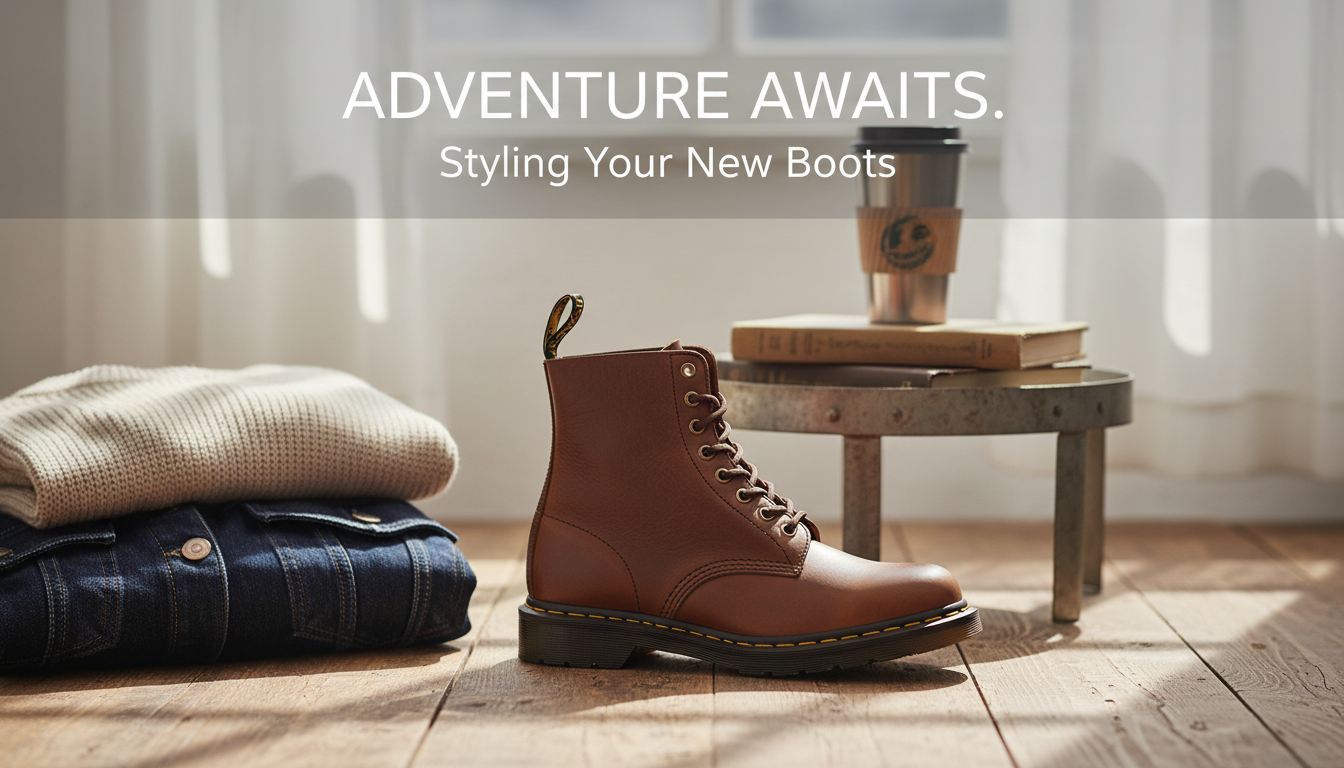
Dr. Martens Men’s Leather Ankle Boots: Fit, Comfort, and Everyday Wear
Men’s leather ankle boots from Dr. Martens are built for daily use: sturdy leather uppers, a distinctive silhouette, and a supportive sole designed to handle long wear. This guide covers what to look for before buying, how they tend to feel on-foot, and how to keep the leather and soles looking good over time. For more guidance, see Chelsea Boots Dr Martens Low Top Mens Martens Brown Leather ….
What stands out about leather ankle boots in the Dr. Martens style
An ankle-height boot hits a practical sweet spot: it offers more support than a low shoe while staying flexible enough for walking, commuting, and all-day errands. The leather upper usually starts out structured, then relaxes with wear—so the comfort experience is heavily influenced by getting the fit right and pairing the boots with the right socks early on.
Another hallmark is the outsole setup. Dr. Martens-style soles are designed for everyday traction and abrasion resistance, which helps on common surfaces like sidewalks, station platforms, and office floors. Visually, the utilitarian shape is easy to work into regular rotation—equally at home with denim, workwear, and many smart-casual outfits that benefit from a tougher anchor.
Materials and construction to check before ordering
Upper leather type
Smooth leather tends to show scuffs sooner but often wipes clean easily. Textured or grained leathers can hide wear better, which can be a plus if the boots will be worn in busy, high-contact environments.
Lining and insole feel
For long days, pay attention to underfoot cushioning—especially under the heel and the ball of the foot. If product details mention comfort features, they matter most when you’re standing or walking for hours rather than sitting most of the day.
Sole edge, welt area, and stitching
Zoom in on product photos: even stitching and a clean seam around the welt area often correlate with a more consistent finish. Minor cosmetic variation can happen, but obvious unevenness is worth noting before purchase.
Hardware, laces, and toe shape
Eyelets and hooks should look securely set, and laces should be long enough to reach the top without forcing tight, uncomfortable wraps. Toe shape is also a comfort driver: a roomier toe box tends to feel better for walking and swelling over the day, while a narrower toe can look sharper but may require more careful sizing.
Fit and comfort: getting the right feel from day one
Plan a gradual break-in. Try short indoor wears, then a brief walk, and only later commit to longer days. Rushing the process can create hot spots and blisters; for practical blister prevention and care, the American Academy of Dermatology offers straightforward guidance here: How to prevent and treat blisters.
Quick fit checklist for men’s leather ankle boots
| Area | What a good fit feels like | Common issue | Easy fix |
|---|---|---|---|
| Toe box | Toes wiggle without pressing the front | Toes touch front on inclines | Size up or choose a roomier toe shape |
| Heel | Heel stays mostly in place when walking | Heel slip causing rubbing | Thicker socks, heel grips, tighter lacing |
| Instep | Secure but not painful pressure | Numbness/pressure on top of foot | Relace for less pressure; consider width/size change |
| Ankle collar | Supportive with no sharp edge bite | Collar rubs ankle bone | Softer socks; gradual break-in; adjust lacing |
How to style leather ankle boots without overthinking it
Cold-weather outfits work especially well with ankle boots: wool socks, heavier denim, and a longer coat help balance the boot’s visual weight. In wet and cold conditions, it also helps to think about safety and comfort beyond style; the CDC’s cold stress resource is a useful reference when you’re spending extended time outside: CDC — Cold Stress.
Leather care and weather readiness
Scuffs are normal with everyday wear. Spot-clean, then use conditioner or polish matched to the leather finish to even out the surface. For brand-specific do’s and don’ts, Dr. Martens provides a helpful overview here: Dr. Martens — Shoe Care Guide.
When these boots make sense (and when to pick something else)
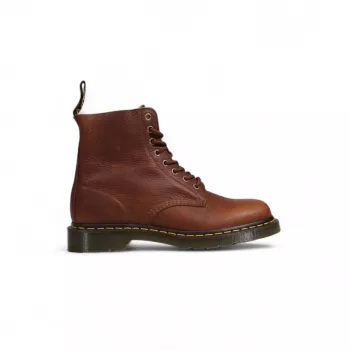
Product pick: Dr. Martens Men’s Leather Ankle Boots
If you want a durable, recognizable ankle-boot profile that can move from weekdays to weekends, Dr. Martens Men’s Leather Ankle Boots are currently listed at $141.51 and in stock. Before checkout, confirm sizing, look closely at the upper leather finish in photos, and plan a short break-in period with thicker socks.
Easy outfit add-on
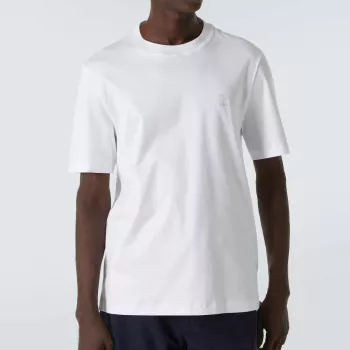
To keep the look simple and balanced, pair boots with a clean, well-fitting tee under layers. The Brunello Cucinelli Cotton T-Shirt is an in-stock option when you want a minimal base layer that lets the boots do the heavy lifting.
FAQ
Do men’s Dr. Martens leather ankle boots run true to size?
Fit can vary by the specific last and leather type, so it’s best to follow the brand’s size guide and compare measurements to a pair you already wear comfortably. Aim for toe room with secure heel hold, and remember the leather may feel stiffer at first while breaking in.
How long does it take to break in leather ankle boots?
Many people notice improvement after several wears, with a more complete break-in often taking a couple of weeks depending on how often they’re worn. Start with short outings, use thicker socks, and adjust lacing to avoid pressure points rather than forcing tight spots.
What’s the best way to care for leather boots in rain or snow?
Wipe off salt and grime as soon as possible, let the boots air-dry away from direct heat, and condition periodically to keep the leather from drying out. Use a leather-appropriate water repellent during wet seasons, and rotate wear so the boots can dry fully between uses.














Leave a comment