Adjustable Reflective Harness & Leash Set: Better Walks
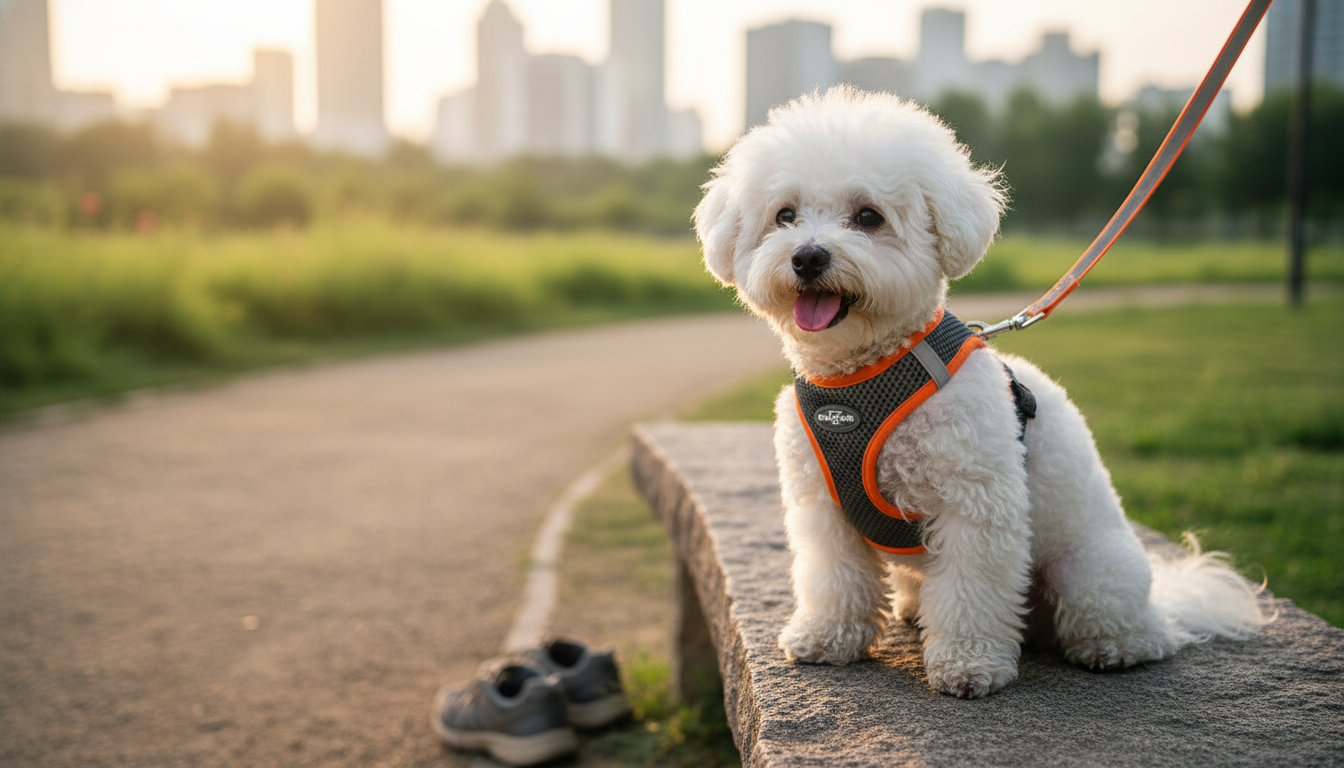
Why a harness-and-leash set can change everyday walks
A coordinated harness-and-leash set can turn daily walks from a tug-of-war into a routine that feels steadier and more predictable. Compared with collar-only walking, a harness supports the dog’s body more evenly by distributing pressure across the chest and shoulders instead of concentrating force on the neck. That can be especially helpful for dogs that surge forward, stop-and-go frequently, or get excited at corners.
A matched set also streamlines the pre-walk routine. You’re checking one style of hardware, one sizing system, and one leash connection point—simple steps that help reduce mistakes when you’re heading out quickly. When reflective accents are included, you also gain added visibility during early-morning, dusk, or nighttime walks when headlights and streetlights are the primary light sources.
Key features to prioritize in an adjustable reflective harness
Not all adjustable reflective harnesses perform the same in real-world use. The best experience usually comes from a combination of smart fit options, durable construction, and reflective placement that makes sense for moving dogs.
- Multiple adjustment points: Look for adjustability that lets you fine-tune fit as coat thickness changes seasonally or as a dog gains/loses weight. More adjustability can also help reduce shifting on curved body shapes.
- Reflective elements placed for visibility: Reflective trim is most useful when it’s on areas that catch light from multiple angles. Side panels and chest areas are especially helpful as the dog turns and changes position.
- Secure buckles and reinforced stitching: Reliable buckles and strong seams reduce failure points, especially for energetic dogs that lunge, spin, or pull hard at the start of a walk.
- Well-positioned leash attachment ring: A ring placed to encourage steadier handling can reduce twisting during turns and make it easier to keep the leash aligned as you navigate sidewalks.
- Soft edges and breathable materials: Comfort features help prevent rubbing behind the front legs and along the chest—two of the most common friction zones.
Getting the right fit: comfort, control, and escape resistance
Fit is the difference between a harness that helps and a harness that gets ignored in the closet. Start by measuring your dog’s girth (around the widest part of the chest behind the front legs) and the neck area before choosing a size range. If your dog falls between sizes, prioritize the range that allows secure adjustment without maxing out the straps.
Once the harness is on, use the “two-finger” snugness rule: you should be able to slide two fingers under the straps, but the harness shouldn’t be loose enough to rotate freely. After a short trial walk, check high-friction spots—behind the elbows/armpits and along the sternum—for redness or hair disturbance.
For dogs known to back out of gear, a secure, well-adjusted fit matters. Re-check strap tension periodically during the walk, especially after a few minutes of movement when straps can settle. Finally, confirm symmetry: straps should sit evenly on both sides so the harness doesn’t creep or twist, which can reduce control and increase rubbing.
Reflective visibility: what it helps with (and what it doesn’t)
Reflective material is designed to bounce light back toward the source. That means it’s most effective when headlights, a bike light, or a flashlight hits the reflective areas directly. During low-light outings, reflective trim can make it easier for drivers and cyclists to notice motion at the edge of the road or on a driveway crossing.
Using the set effectively: smoother walks with less pulling
Training support can also help refine loose-leash habits. For practical guidance, the American Kennel Club’s tips on loose leash walking are a useful reference: https://www.akc.org/expert-advice/training/loose-leash-walking/. For broader training fundamentals, the ASPCA’s dog training resources can help build consistency: https://www.aspca.org/pet-care/dog-care/common-dog-behavior-issues/training-your-dog.
Care and maintenance for durability
For additional safety context around responsible dog handling, the AVMA provides guidance for preventing risky interactions: https://www.avma.org/resources-tools/pet-owners/dog-bite-prevention.
At-a-glance checklist for this set
| Check | What to look for | Why it matters |
|---|---|---|
| Fit | Two-finger snugness; even strap alignment | Reduces rubbing and lowers escape risk |
| Hardware | Buckles fully clicked; ring not bent | Prevents sudden leash/harness failure |
| Reflective areas | Clean and unobstructed by dirt or fur | Improves low-light visibility when illuminated |
| Leash connection | Clipped to the proper attachment ring | Maintains intended control and balance |
| Comfort | No pinching near armpits; normal gait | Supports longer, calmer walks |
Product option: Adjustable Reflective Dog Harness and Leash Set
If you want a single, ready-to-go walking setup, the Adjustable Reflective Dog Harness and Leash Set combines the harness and leash in one purchase. It’s a practical option for daily neighborhood walks where adjustability and reflective accents support a more comfortable, more visible routine.
More in-stock finds
FAQ
How tight should an adjustable dog harness be?
Use the two-finger rule under the straps, make sure your dog can move shoulders freely, and check behind the front legs after a short walk. If the harness shifts or chafes, readjust before continuing.
Do reflective harnesses work in complete darkness?
Reflective material shines when light hits it, such as headlights, flashlights, or streetlights. For very dark routes, adding an active safety light can improve visibility from more angles.
Can a harness help with pulling?
A well-fitted harness can improve control and reduce neck strain compared with a collar. For best results, combine it with consistent loose-leash training and short practice sessions.















Leave a comment