3-in-1 Electric Hoist Winch Guide: Lift, Pull, Position
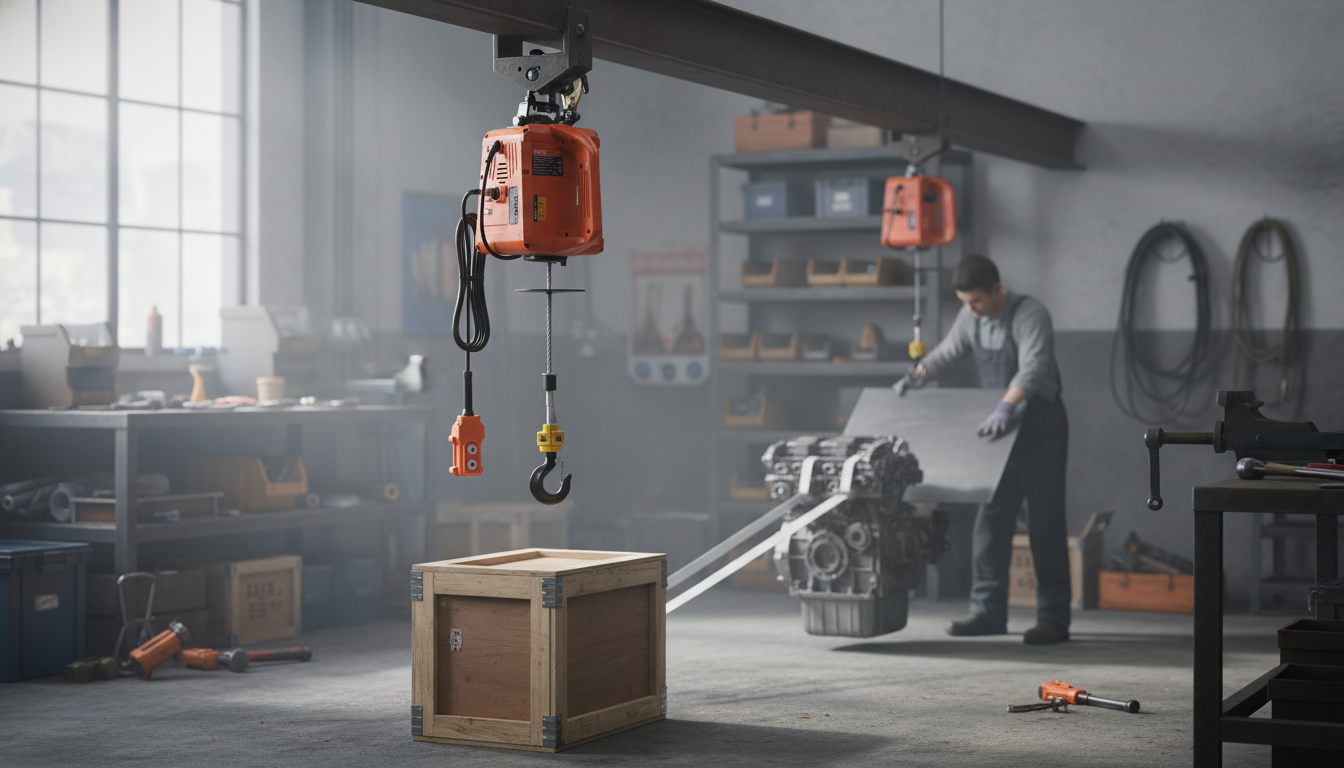
3-in-1 Electric Hoist Winch: Lifting, Pulling, and Positioning Made Simple
A compact electric hoist winch can save time and reduce strain when moving heavy items in a garage, workshop, jobsite, or farm setting. This guide breaks down what a 3-in-1 electric hoist winch is designed to do, where it fits best, what to look for before installing, and how to use it safely for consistent, repeatable results.
What a 3-in-1 Electric Hoist Winch Does
A 3-in-1 electric hoist winch is built to cover three jobs that often overlap during projects: lifting vertically, pulling horizontally, and holding/positioning loads while you line things up. Instead of muscling an engine onto a stand or dragging a heavy tool across a floor, you get controlled movement from a powered unit that can start and stop more smoothly than manual methods.
- Handles three common tasks with one powered unit: lifting vertically, pulling horizontally, and holding/positioning loads during setup work.
- Designed for controlled movement of engines, shop equipment, building materials, and bulky household items during renovations.
- Useful where manual lifting is risky or slow, especially in tight spaces where a forklift or crane is impractical.
- Best suited to intermittent duty tasks where precision and convenience matter more than high-throughput industrial lifting.
For safety best practices and terminology used across lifting equipment, it’s worth reviewing high-level guidance from sources like OSHA (Cranes and Derricks in Construction) and relevant industry standards such as ASME B30.16.
Where It Works Well: Common Use Cases
The biggest advantage of a compact hoist winch is that it brings controlled power to places where space, budget, or setup time makes larger equipment unrealistic. It also helps when a second set of hands isn’t available.
- Garage and home workshop: lifting a small engine, moving a tool chest section, or raising a workpiece onto a bench.
- Light construction and remodeling: lifting drywall bundles, positioning beams for fit-up, or pulling materials across a floor.
- Outdoor property maintenance: moving generators, pumps, fencing materials, or small implements.
- Vehicle and ATV tasks: loading assistance and controlled pulling on a flat surface (within rated limits).
Key Components to Understand Before Buying
Small hoist winches vary widely in how “controlled” they feel under load. A few key parts determine whether it’s a tool you trust or one you fight with every time you use it.
- Motor and gearing: Determines how smoothly the line starts/stops under load and how well it handles repeated cycles.
- Cable/rope and drum: Affects wear, spooling behavior, and the amount of usable line for a given setup.
- Hook and latch: Should close securely and match the intended rigging hardware (slings, shackles, straps).
- Controls: Pendant or remote style control improves positioning accuracy and keeps hands away from pinch points.
- Mounting hardware: The mounting surface and fasteners are as important as the winch rating for safe use.
Also consider how you’ll route the line: straight-line pulling and lifting reduces side forces, improves spooling, and lowers wear on the cable and drum. If you’ll be guiding the line through an opening or around an edge, plan for a proper guide/fairlead to prevent abrasion.
Specs That Matter for Safe, Predictable Performance
Specs aren’t just numbers on a label—they determine whether the tool feels stable, repeats accurately, and stays reliable. The goal is predictable performance without overheating the motor or overstressing the line.
- Rated capacity: Never exceed the stated limit; include rigging hardware weight and any attachments in the total.
- Lift height / line length: Ensures the load can reach the target location without unsafe re-rigging mid-lift.
- Line speed: Slower speeds can improve control; faster speeds can shorten cycle time—choose based on task type.
- Duty cycle and heat management: Repeated heavy pulls can overheat small motors; allow cooldowns when needed.
- Power requirements: Confirm voltage/amperage compatibility and use a properly rated outlet and extension cord (if required).
Quick Fit Check for Typical Tasks
| Task | Preferred Setup | What to Confirm | Common Mistake to Avoid |
|---|---|---|---|
| Lift a motor onto a stand | Vertical lift with straight line | Capacity includes rigging; stable mounting point | Side-loading the hook or pulling at an angle |
| Pull equipment across a floor | Horizontal pull with fairlead/guide | Smooth path; line stays aligned on drum | Letting the cable stack unevenly |
| Hold a load during alignment | Short, controlled movements | Brake/holding ability; clear communication | Hands near pinch points while adjusting |
| Occasional outdoor use | Protected power and weather awareness | GFCI protection; corrosion checks | Operating in rain without protection |
Installation and Mounting Basics
Everyday Operating Safety Checklist
To support workplace safety programs and general hazard awareness, NIOSH maintains practical resources at NIOSH Workplace Safety and Health Topics.
Maintenance and Longevity Tips
A Practical Option: 3-in-1 Electric Hoist Winch
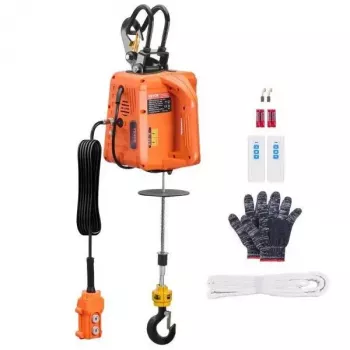
3-in-1 Electric Hoist Winch is available now for projects that benefit from controlled lifting, pulling, and positioning in one compact footprint.
Featured Products
FAQ
Can an electric hoist winch be used for both lifting and pulling?
Many models can lift vertically and pull horizontally when mounted correctly and used with a straight line. Always follow the rated capacity for each configuration, keep the hook from being side-loaded, and stop if the line begins to spool unevenly.
What power outlet is typically needed for an electric hoist winch?
Many compact electric hoist winches are designed for common household power, but the exact voltage and amperage requirements vary by model. Use a properly rated outlet, avoid undersized extension cords, and use GFCI protection in garages or outdoor areas.
How often should the cable and hook be inspected?
Do a quick inspection before each use, then perform deeper checks on a regular schedule based on how often you run the hoist. Look for fraying, kinks, corrosion, a latch that doesn’t close securely, or a hook that appears bent or stretched.















Leave a comment