Valentino V Logo Sandals: Fit, Styling & Care Guide
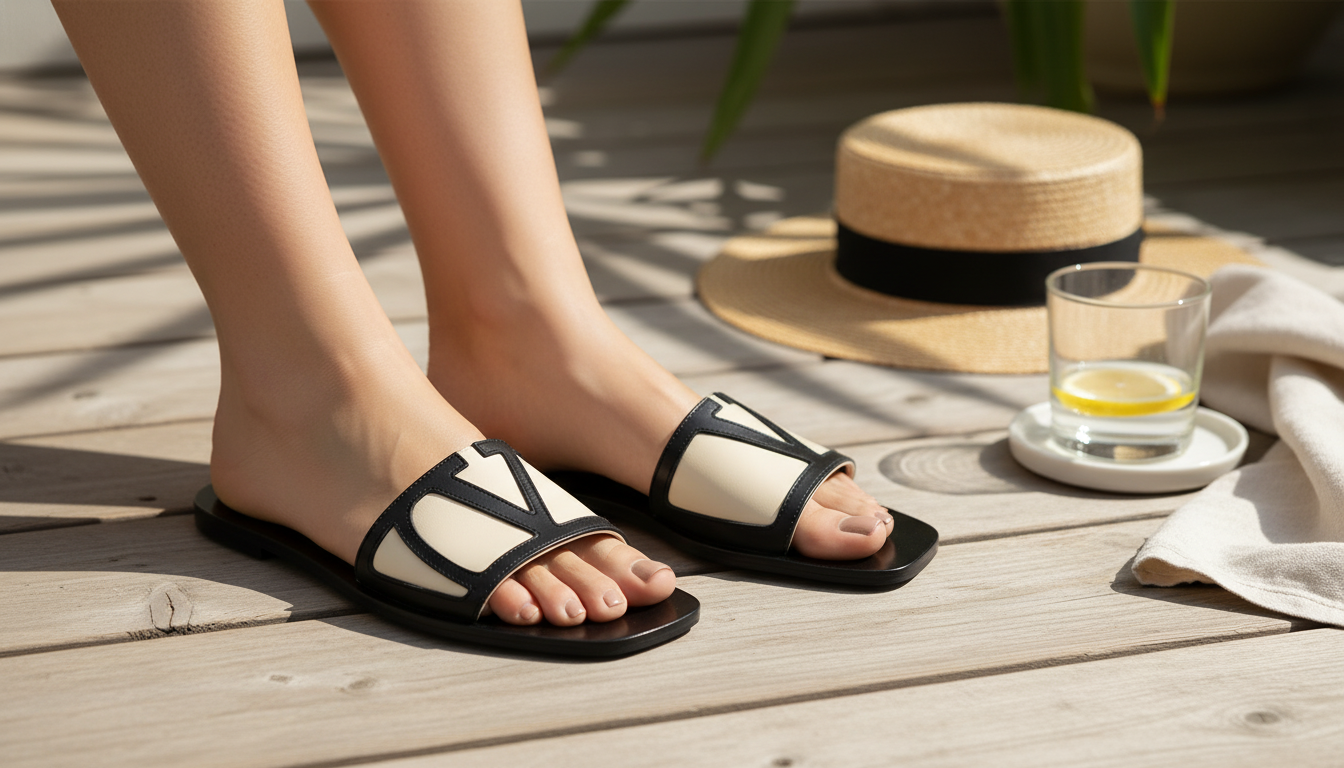
Valentino V Logo Sandals: A Polished Statement for Warm-Weather Dressing
Valentino V Logo sandals bring together clean lines and a recognizable signature detail that works with everything from daywear to evening looks. The result is a sandal that reads polished without feeling overdone—especially when the rest of the outfit stays streamlined. Below is a practical guide to what to look for before buying, how to style the V hardware so it feels intentional, and how to care for leather and logo details so they keep their crisp finish over time.
What Sets the V Logo Look Apart
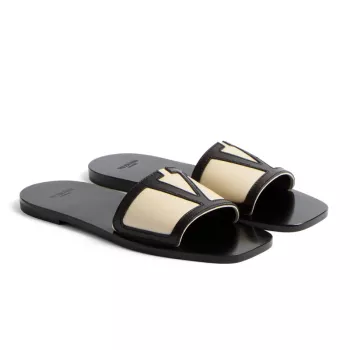
The defining element is the signature V logo hardware: it draws the eye in a controlled, refined way, so you can keep color and pattern minimal and still look styled. Because many V Logo designs rely on slim, minimal strap profiles, they tend to work equally well with tailored pieces (think structured shorts or a blazer) and relaxed staples (like straight-leg denim).
A logo-forward sandal can also function like “jewelry for the feet.” To keep the look elevated, let the hardware be the star and avoid competing statement accessories—one focal point at a time reads more modern and intentional.
At-a-Glance: Valentino V Logo Sandals
Use this quick snapshot to compare the essentials at a glance before diving into fit, styling, and care.
| Detail | Information |
|---|---|
| Product | Valentino V Logo Sandals |
| Price | 612.52 USD |
| Availability | In stock |
| Category fit | Designer logo sandal for dressy-casual wear |
Choosing the Right Size and Fit
Fit is where a minimal sandal succeeds or fails. Start by measuring foot length at the end of the day, when feet are naturally a bit larger. That timing helps avoid buying a pair that feels fine in the morning but turns tight after heat and walking.
If deciding between sizes, evaluate strap behavior, not just length. Straps that feel snug indoors can become uncomfortably tight in warm weather; straps that already feel loose can lead to sliding, friction, and that “gripping with your toes” feeling. Check footbed length carefully: toes shouldn’t extend past the front edge, and the heel should sit fully on the footbed for stability.
For higher arches or wider feet, comfort and balance matter as much as aesthetics. Excessively tight straps can create pressure points at the big toe joint and along the outer forefoot—two common irritation zones in sleek, low-coverage silhouettes. For general foot-health guidance and comfort cues, the American Podiatric Medical Association (APMA) is a useful reference point.
Comfort and Wearability: What to Notice on First Try-On
On the first try-on, test them like a real day. Walk on both hard flooring and carpet. If you feel your foot sliding forward on smooth surfaces, that’s an early sign the straps may not hold securely enough for extended wear.
Pay attention to where friction begins. Minimal sandals often rub at the big toe joint and the outside of the forefoot, especially if the straps land on a prominent bone area. Also assess the base: a stable platform matters for long lunches, events, or travel days when standing adds up. If the footbed feels very flat and you know your feet fatigue quickly, these may be best reserved for shorter outings rather than all-day walking.
Plan a short break-in period at home before a full day out. A few brief sessions can reveal hot spots early, when adjustments (or a size swap) are still easy. If socks make sense for your styling and strap configuration, a short indoor wear with thin socks can reduce initial friction during the break-in phase.
Outfit Pairings That Make the Logo Feel Intentional
V Logo sandals look best when the rest of the outfit gives them space. The goal is to make the hardware read like a deliberate accent rather than a loud branding moment.
- Tailored shorts + crisp button-down: A clean, structured outfit keeps the logo elevated and summer-ready.
- Straight-leg jeans + simple tank or tee: The sandal becomes the standout detail, especially with minimal jewelry.
- Slip dress or midi skirt: The structured V hardware adds a modern edge to softer lines.
- Monochrome outfits: Let the metal detail read clearly and feel more like an accessory than a graphic.
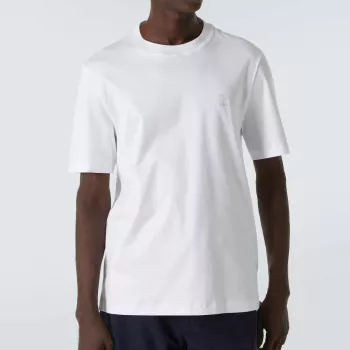
For an easy upscale base layer, pair the sandals with a premium essential like the Brunello Cucinelli Cotton T-Shirt. Keeping the top clean and well-made helps the footwear’s statement feel refined rather than flashy.
Styling Add-Ons: Simple Pieces That Complement the Sandals
Care and Storage for Long-Lasting Finish
For storage, use a dust bag and keep the shape supported so straps don’t crease unnecessarily. If you use conditioner or cleaner, spot-test first on an inconspicuous area before full application. For responsible leather guidance and care basics, the Leather Working Group is a helpful authority on leather standards and materials education.
When They Work Best (and When to Choose Another Shoe)
FAQ
Do Valentino logo sandals run true to size?
It depends on foot width, strap placement, and footbed length. Measure your feet, compare against the brand’s sizing guidance, and use strap snugness as the tie-breaker when deciding between sizes.
How can blisters be prevented with minimal-strap sandals?
Break them in with short wears, use blister patches on known hot spots, and keep feet dry to reduce friction. Make sure straps aren’t overly tight, and stop early if rubbing starts so irritation doesn’t escalate.
How should logo hardware be cleaned without damaging the finish?
Gently wipe hardware with a soft, dry or barely damp cloth and avoid harsh chemicals. Keep moisture minimal, dry immediately, and store the sandals away from humidity to help preserve the finish.











Leave a comment