Vintage Handmade Leather Belt with Copper Buckle (Men’s)
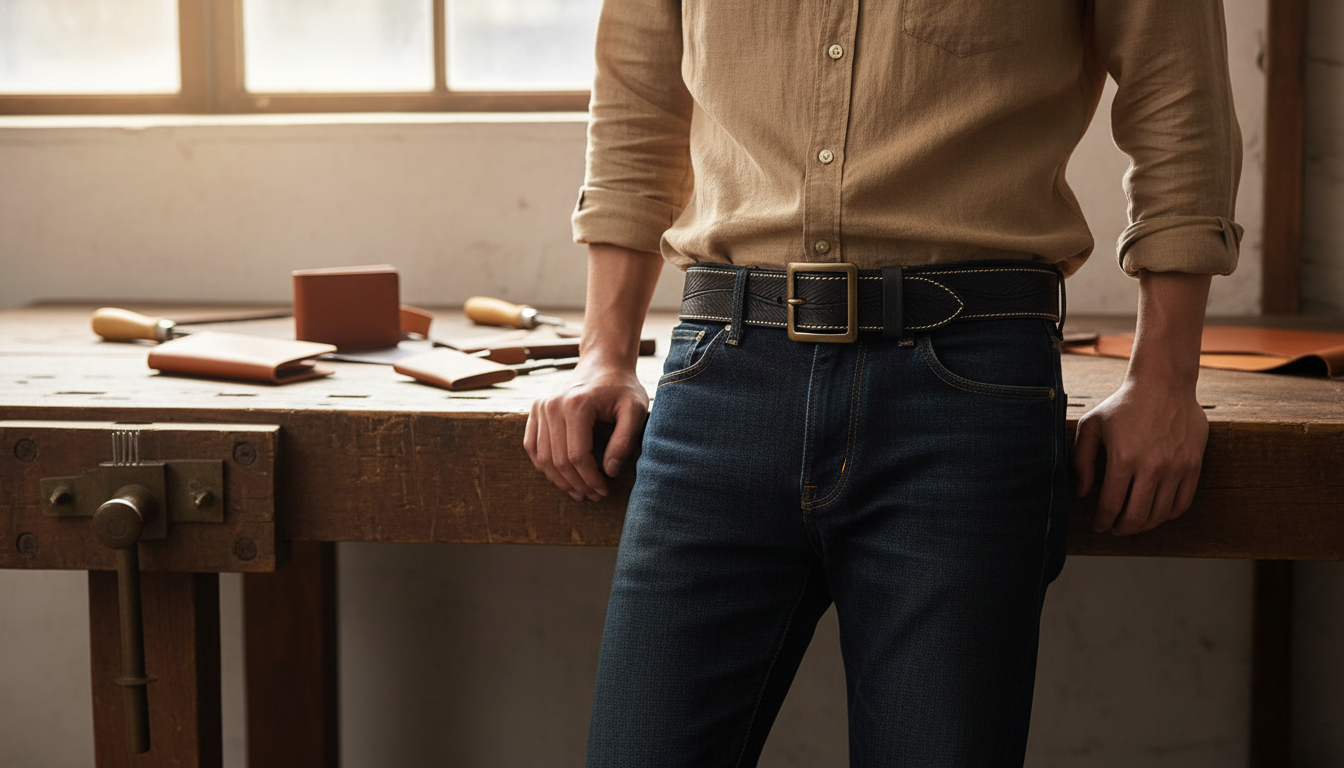
Men’s Vintage Handmade Leather Belt with Copper Buckle – Retro Casual Style
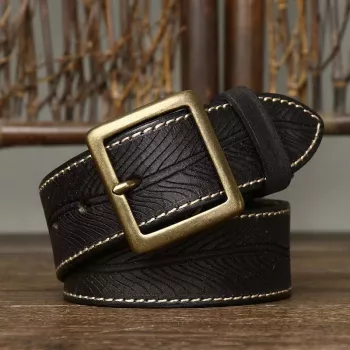
A well-made leather belt is one of the simplest ways to make everyday outfits look intentional. The Men’s Vintage Handmade Leather Belt with Copper Buckle – Retro Casual Style pairs a rich leather strap with a solid copper buckle for a warm, worn-in look that works with denim, chinos, and casual tailoring—while staying comfortable and dependable for daily wear.
What Makes This Belt Different
- Vintage character: A retro-inspired look that suits casual and workwear outfits without feeling overly formal.
- Handmade feel: Crafted to emphasize natural leather grain and subtle variations that make each belt look unique over time.
- Copper buckle finish: Copper adds warmth and develops patina, creating a lived-in look that matches the belt’s heritage style.
- Everyday versatility: Designed to move easily between jeans, chinos, and relaxed weekend fits.
The result is a belt that doesn’t try to look “perfect” on day one. Instead, it’s meant to look better the more you wear it—especially as the leather softens and the buckle deepens in color.
Materials and Construction Details to Look For
Even within the same general “vintage leather belt” category, construction details make a big difference in how a belt wears over time. Here’s what to pay attention to when choosing a belt you plan to use often.
- Leather strap: Full-grain or top-grain leather typically ages best, developing character rather than cracking; natural markings are part of the appeal.
- Edge finishing: Smooth, sealed, or burnished edges help reduce fraying and keep the belt comfortable against fabric.
- Stitching and keepers: Reinforced stitching near stress points and a secure belt keeper help the tail stay flat and neat.
- Buckle attachment: A sturdy connection (stitched or screw-based) improves longevity and makes adjustments or replacement easier if needed.
- Copper buckle behavior: Copper can darken and mellow with use; occasional polishing can restore shine if preferred.
If you care about responsible sourcing, it can also help to look for brands and tanneries aligned with widely recognized standards such as the Leather Working Group, which provides information around auditing and responsible leather supply chains.
Fit and Sizing: Getting the Right Length
A belt that looks great but fits poorly ends up sitting in the drawer. The most flattering fit usually lands on a middle hole—clean, centered, and easy to adjust when you change layers through the year.
- Best practice: Measure a belt that fits well from the buckle pin to the most-used hole, then choose the closest match.
- Alternative method: Measure waist where the belt will sit (jeans at hips vs trousers at waist) and select sizing that leaves room to adjust both tighter and looser.
- Comfort check: A properly sized belt usually fastens on a middle hole, leaving a short, tidy tail.
- Hole spacing: Closer spacing offers finer adjustment; wider spacing may feel less precise as weight and layers change through seasons.
| How to measure | Where to measure | What a good fit looks like |
|---|---|---|
| Existing belt | Buckle pin to most-used hole | New belt closes near the middle hole |
| Waist measurement | Around where the belt will sit (hips or waist) | Allows tightening/loosening across several holes |
| Outfit test | Try with jeans and a tucked shirt | Tail lays flat; buckle sits centered; no twisting |
How to Style a Retro Leather Belt with a Copper Buckle
Copper hardware is a quiet styling advantage: it reads warmer than bright silver and more relaxed than highly polished gold-tone buckles. That makes it especially easy to pair with everyday textures—denim, canvas, flannel, and brushed cotton.
- Denim and boots: Copper tones pair naturally with indigo denim, brown boots, and rugged outerwear.
- Chinos and loafers: Choose earthy shades (tan, olive, navy) for a clean casual look that still feels vintage.
- Layer-friendly: Works well with flannels, chore jackets, waxed cotton, and textured knits.
- Metal coordination: Copper can be mixed with brushed metals; if matching matters, lean into warm accessories (watch case, rings) for a cohesive look.
- Tuck vs untuck: The buckle is a feature—tucking in a shirt or wearing a cropped jacket highlights the hardware and leather grain.
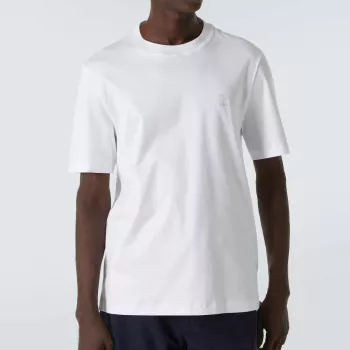
For a simple, elevated casual uniform, pair the belt with a clean, premium tee like the Brunello Cucinelli Cotton T-Shirt, straight-leg jeans, and a suede or leather boot. The copper buckle adds a subtle focal point without looking flashy.
Care and Aging: Keeping Leather Supple and Copper Looking Its Best
Leather and copper both age—just differently. Leather tends to pick up softness, darkening, and light scuffs; copper develops patina that shifts from bright to mellow. With a little care, both changes look intentional rather than worn out.
When This Belt Is the Right Choice (and When It Isn’t)
For general guidance on skin irritation from metals and contact dermatitis, resources like the CDC/NIOSH skin exposure information can be helpful—especially if you’ve reacted to belt hardware in the past.
FAQ
How should a men’s belt fit for everyday jeans?
Measure an existing belt that fits from the buckle pin to your most-used hole, then choose a size that lands you near the middle hole. Keep in mind jeans often sit lower on the hips than trousers, so measuring where you actually wear the belt helps avoid a too-tight fit.
Will a copper buckle change color over time?
Yes. Copper naturally develops patina and typically darkens and mellows with wear. You can leave it to age for a vintage look or polish it occasionally for more shine, taking care to keep any polish away from the leather.
How do you care for a leather belt if it gets wet?
Blot moisture, then let the belt air-dry away from direct heat (no radiators or hair dryers). Once fully dry, reshape gently if needed and apply a light conditioner to restore suppleness—avoid soaking the leather.











Leave a comment